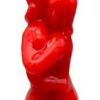
White Man Figure Candle (6 3/4″)
$9.85
A Figure for Cleansing a Man
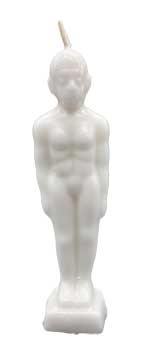
A white candle shaped as a naked man, used to stand for a specific man in workings of cleansing, peace, blessing and new beginnings.
Quick Uses
- Name the Figure: Carve the man’s name across the chest before you light it.
- Cleansing Work: Burn it to wash away crossed conditions from a man.
- Blessing Rite: Burn it for peace and a fresh start for someone you care about.
How to Use It
Witchcraft & Folk Magick
- Carve the man’s name across the chest and dress it with a cleansing oil before burning.
- Set it in a bowl of salt and burn it for a fresh start after a hard time.
Hoodoo & Rootwork
- Dress it with uncrossing oil from the head down and burn it on a bed of hyssop.
- Burn it in sessions over several nights while praying a psalm of blessing.
Ceremonial & Occult Magick
- Use it as the image of the person in a rite of purification in the hour of the Moon.
- Consecrate it in the hour of the Sun and burn it for blessing and spiritual renewal.
Demonology & Black Magick
- Use it as the stand-in for a man in work to free him from a spirit’s influence or a hostile binding.
- Burn it as a figure of a client in spirit-led healing or cleansing work.
A Simple Working
- On a Monday, carve the man’s name into the chest of the candle.
- Rub it with a little cleansing oil from the head down to the feet.
- Set it on a plate and pour a ring of sea salt around the base.
- Light it and speak aloud what you want cleansed from him and the peace you want for him.
- Let it burn down fully.
- Gather the salt and wax and throw them into running water or bury them away from home.
Pairs Well With
- Sea Salt: For a purifying ring around the base.
- Hyssop: A classic cleansing herb.
- Uncrossing Oil: For dressing the figure.
- White Chime Candles: For short follow-up blessings.
What You Receive
One white man figure candle, 6 3/4″, moulded as a naked man. Sizes, shapes and colouring may vary slightly. From India.
Origin & Lore
Human-shaped candles were made to represent a specific person, so that a spell could be aimed at them through likeness, a principle of sympathetic magick.
Figure candles have been staples of hoodoo and American folk spiritual supply shops since the twentieth century. White figures are used for purity, cleansing, blessing and peace, and colour is chosen to match the intention.
Did You Know?
James Frazer called the idea that like produces like the law of similarity in The Golden Bough (1890).
Related products