



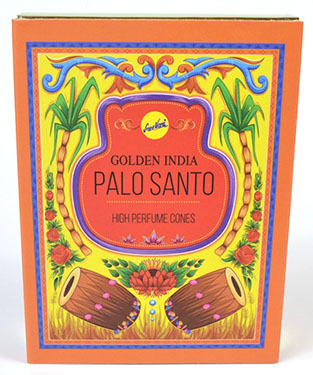
Palo Santo Backflow Incense Cones
$3.25
Holy Wood Smoke for Clearing
Palo santo backflow cones that send a stream of sweet, woody smoke spilling down the burner, reached for when a home or altar needs clearing and settling.
Quick Uses
- Clear a Room: Burn a cone in a space after an argument or a heavy visitor to settle and clear the air.
- Ancestor Altar: Set the burner beside ancestor photographs as a sweet, quiet offering of smoke.
- Before Readings: Light one before tarot or pendulum work to clear the table and your mind.
How to Use It
Witchcraft & Folk Magick
- Set the burner near the front door on the first night of a new moon to clear what has built up and welcome the fresh cycle.
- Run your hands through the falling smoke before handling your cards, crystals or charms.
Hoodoo & Rootwork
- Burn one in a room after spiritual cleaning with a floor wash, so the clean house is sealed with sweet smoke.
- Light one beside a glass of water and a white candle on an ancestor altar as a gentle offering.
Ceremonial & Occult Magick
- Use it as a cleansing incense before rites, burned while you take your ritual bath and dress.
- Burn a cone in the east of the temple at the start of meditation or pathworking to mark the threshold into the work.
Demonology & Black Magick
- Light one after an evocation or a spirit has been licensed to depart, so the room is cleared of lingering presences.
- Burn it while you clean your tools after curse or binding work, passing each tool through the smoke.
A Simple Working
- On a waning moon evening, open a window in the room you want to clear.
- Light a cone on the backflow burner and set it on a dish of sea salt.
- Sit quietly and name what you want to leave the room.
- Carry the burner slowly to each corner, letting the smoke roll out.
- Return it to the centre and say the room is clear and at peace.
- Close the window once the cone has burned down.
Pairs Well With
- Backflow Incense Burner: Gives these cones their waterfall flow.
- Sea Salt: Lay a line at the threshold after clearing.
- White Sage: A stronger clearing smoke for the first pass, with palo santo to sweeten after.
- Selenite: Keep it on the cleared altar between workings.
What You Receive
One box of 10 palo santo backflow incense cones, made for use on a backflow burner.
Origin & Lore
Palo santo, Spanish for holy wood, comes from Bursera graveolens, a tree of the dry tropical forests of Ecuador, Peru and nearby lands. It was traditionally burned to clear spaces and drive off ill fortune, and the wood is said to give its best scent only after the tree has died and lain for years.
It is a relative of frankincense and myrrh within the same botanical family, which shows in its warm, resinous sweetness. Healers in the Andes and the Amazon used it in cleansing ceremonies, and its use spread worldwide over the last few decades.
Did You Know?
Palo santo belongs to the Burseraceae family, the same plant family that gives us frankincense and myrrh.
Related products


