Healing Lailokens Awen oil
$13.14
A blessing oil for the unwell
A spiritual blessing oil made on the day of Mercury and hour of the Sun, used on candles and to bless the room of someone unwell.
Quick Uses
- Candle dressing: dress a blue or white candle and burn it in the room of the person you are praying for.
- Distance blessing: anoint a photograph of someone far away to send them blessings.
- Bedside: add a drop to a bowl of water set by the bedside as a gentle blessing.
- Raphael: dress candles for Archangel Raphael, the angel traditionally linked with healing prayers.
How to Use It
Witchcraft & Folk Magick
- Dress a blue or white candle and burn it in the room of the person you are praying for.
- Anoint a photograph of someone far away whom you are sending blessings to.
- Add a drop to a bowl of water set by the bedside as a gentle blessing.
Ceremonial & Occult Magick
- Dress candles for Archangel Raphael, the angel traditionally associated with healing.
- Consecrate a talisman of the Sun for vitality, made in the day and hour of the Sun.
A Simple Working
- Take a blue chime candle and a square of parchment.
- Write the name of the person you are praying for.
- Anoint the paper and dress the candle with Healing oil from base to wick.
- Set the candle in the room of the person, or beside their photograph.
- Light it and speak a prayer or blessing for their strength and comfort.
- Let the candle burn out safely and keep the paper on your altar until they are well.
Pairs Well With
- Blue candles, traditional for peace and spiritual healing.
- Clear quartz, kept near the person as a focus for blessing.
- Lavender, for calm in the sickroom.
- Rosemary, for strength and protection.
What You Receive
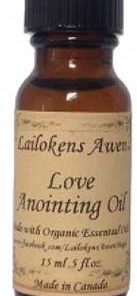
Healing oil from the Lailokens Awen range, in a 15 ml bottle. Made on the day of Mercury and in the hour of the Sun.
Origin & Lore
Healing oil is a planetary anointing oil made under Mercury and the Sun, two planets tied to health and vitality in Western astrological magick. It is used for spiritual support, prayer and blessing during illness or recovery.
Long before modern hospitals, families lit candles in the sickroom and prayed over them, and folk practitioners still begin healing work there.
Planetary timing for healing work goes back to the Picatrix and the Renaissance magi, who matched the Sun to vitality and Mercury to medicine and the healing arts. In the Book of Tobit, the archangel Raphael, whose name means God heals, travels with Tobias and cures his father.
Did You Know?
The caduceus, two snakes around a winged staff, is the staff of Hermes, the Greek Mercury; the single snake on a rod used as the true symbol of medicine belongs to Asclepius.
| Weight | 0.15 lbs |
|---|
Related products