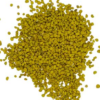

Uva-ursi is Latin for “bear’s grape”, and bears really do feast on the small red berries of this ground-hugging shrub.
Origin & Traditional Use
Arctostaphylos uva-ursi is a low evergreen shrub of the colder parts of North America, Europe and Asia. Its leaves were smoked in kinnikinnick blends by many Native American peoples, and were traditionally used in European and North American herbalism.
Uses by Tradition
Witchcraft & Folk Magick
- Psychic sachet: carry a pinch with mugwort in a small bag during readings and divination.
- Seer’s smoke: burn a little on charcoal before tarot, scrying or pendulum work.
A Simple Working
- Light a purple chime candle.
- Mix a teaspoon of bearberry with a teaspoon of mugwort.
- Place the mix in a small purple or white cloth bag.
- Hold it to your forehead and state the question you want answered.
- Close the bag and keep it in your lap as you read the cards.
- Store it with your deck between readings.
Pairs Well With
- Mugwort, the classic psychic herb.
- Star anise, for divination incense.
- Bay leaves, for prophetic smoke.
- A purple chime candle, for psychic workings.
Lore & History
Kinnikinnick is an Algonquian word meaning “mixture”. It first named the smoking blends themselves, and only later the plant that so often went into them.
What You Receive
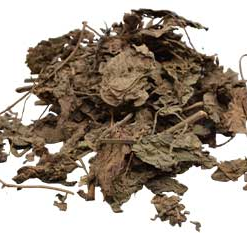
Dried bearberry (uva-ursi), available in 1 oz, 2 oz and 1 lb.
Did You Know?
Bearberry leaves are rich in tannins and were once used to tan leather in Scandinavia and Russia.
| Weight | N/A |
|---|---|
| Size | 1 oz, 2 oz, 1 lb |
Related products
All Herbs


All Herbs