


Its name is a blessing in itself: carduus benedictus, the blessed thistle, trusted enough in the Middle Ages to earn a place in monastery gardens.
Origin & Traditional Use
Cnicus benedictus is a spiny annual of the Mediterranean with yellow flowers caged in prickly bracts. It was traditionally used as a bitter tonic and still flavours some herbal bitters and liqueurs.
Uses by Tradition
Witchcraft & Folk Magick
- Uncrossing bath: steep the herb, strain, and add it to a bath to break a hex.
- Protection sachet: carry it in a small bag for strength and protection.
- Blessing water: sprinkle the strained tea around the home to bless it.
A Simple Working
- Steep two tablespoons of blessed thistle in a litre of just-boiled water for fifteen minutes.
- Strain it and add a pinch of sea salt.
- Light a white chime candle in the bathroom.
- Pour the water over yourself from head to foot, saying: “What was laid on me is lifted.”
- Let yourself air-dry.
- Pour a little of the leftover water at a crossroads or outside your door.
Pairs Well With
- Agrimony, for reversing and uncrossing.
- Angelica root, for protection.
- Sea salt, for cleansing baths.
- A white chime candle, for blessing work.
Lore & History
Blessed thistle was a staple of medieval and Renaissance herbals and was widely grown in monastery gardens across Europe. Its fame made it a household name in sixteenth- and seventeenth-century England.
What You Receive
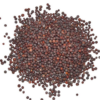
Cut dried blessed thistle, available in 1 oz, 2 oz and 1 lb.
Did You Know?
In Much Ado About Nothing, Beatrice is advised to take “distilled Carduus Benedictus” for her ailing heart, a pun on Benedick, the man she claims not to love.
| Weight | N/A |
|---|---|
| Size | 1 oz, 2 oz, 1 lb |
Related products

All Herbs


