


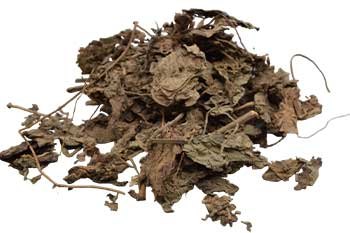


In the nineteenth century, European buyers judged whether an Indian shawl was genuine by whether it smelled of patchouli.
Origin & Traditional Use
Patchouli is a bushy herb of the mint family native to tropical Asia. Merchants packed its dried leaves among silks and cashmere shawls to keep moths away on the long voyage west, and the scent became so tied to those goods that Europeans came to expect it.
Uses by Tradition
Witchcraft & Folk Magick
- Added to money sachets and green candles to draw steady, grounded wealth.
- Used in lust and love blends for its heavy, sensual scent.
- Used as a substitute for graveyard dust where soil from a grave can’t be had.
Hoodoo & Rootwork
- Worked in money mojo bags and on money altars.
- Added to attraction and lust formulas.
Demonology & Black Magick
- Used as graveyard dust in workings with the dead, and in binding and cursing powders.
A Simple Working
- On a Friday or Thursday, take a green chime candle.
- Rub it lightly with olive oil from base to wick.
- Roll it in crushed patchouli leaf mixed with a pinch of cinnamon.
- Carve the amount you need into the side of the candle.
- Light it on top of a dollar bill and let it burn out.
- Fold the bill toward you and keep it in your wallet.
Pairs Well With
- Cinnamon: brightens and speeds patchouli money work.
- Vetiver: another earthy root for wealth and binding.
- Mullein: the other classic graveyard dust substitute.
- A green chime candle: for candle dressing.
Lore & History
The name is often traced to Tamil words meaning “green leaf”. The scent became a symbol of the 1960s counterculture in the West, but its role in Hoodoo and money magick is older.
What You Receive
Whole dried patchouli leaf, available in 1 oz, 2 oz and 1 lb.
Did You Know?
Unlike most essential oils, patchouli oil is considered to improve with age, growing richer and smoother over years.
| Weight | N/A |
|---|---|
| Size | 1 oz, 2 oz, 1 lb |
Related products

All Herbs
All Oils

All Oils
Blessings

All Oils