


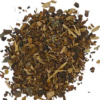
Wormwood cut (Artemisia absinthium)
Price range: $3.25 through $23.05
The bitter herb of spirit sight · Available in 3 sizes
Cut wormwood, the bitterest herb in the garden, burned to call spirits and open the sight, and hung to keep harm away.
Quick Uses
- Divination: burn a little before scrying or reading to sharpen psychic sight.
- Spirit calling: burn it on charcoal with sandalwood at an ancestor altar to call and speak with the dead.
- Protection: hang it in the home or carry it to keep harm away.
- Bitter works: add it to jars or powders with a target’s name for curses meant to sour their life.
How to Use It
Witchcraft & Folk Magick
- Divination: burn a little wormwood before scrying or reading to sharpen psychic sight.
- Spirit calling: burned on charcoal to call spirits, especially the dead, to a working.
- Protection: hung in the home or carried to keep harm away, as it once kept insects away.
Demonology & Black Magick
- Necromantic incense: wormwood is burned with sandalwood in graveyards or at an ancestor altar to raise and speak with the dead.
- Bitter works: its bitterness suits it to curses meant to sour a target’s life, added to jars or powders with their name.
- Spirit offerings: a small bowl of wormwood or a glass of absinthe is set out for spirits who favour bitter, strong offerings.
A Simple Working
- Set up a small table with a photograph or name of the dead person you want to reach.
- Light a black or white candle.
- Mix a teaspoon of wormwood with a teaspoon of sandalwood powder.
- Burn a pinch on charcoal.
- Call the person by name three times and speak to them.
- When you are done, thank them, put out the candle and leave a small offering of water.
Pairs Well With
- Yellow sandalwood, the traditional partner for spirit-calling incense.
- Mugwort, its sister herb for divination and dreams.
- Myrrh, for incense to the dead.
- A black chime candle, for spirit work.
What You Receive
Cut dried wormwood, available in 1 oz, 2 oz and 1 lb.
Origin & Lore
Artemisia absinthium is a silvery, intensely bitter perennial of Europe and western Asia. It was strewn on floors and tucked into clothes chests to keep away fleas and moths, used to make bitter wines and, most famously, absinthe.
The Book of Revelation names a falling star Wormwood, which turned a third of the waters bitter so that many died of them.
The genus Artemisia is named for Artemis, the Greek goddess of the hunt and wild places. In 1557 the English farmer and poet Thomas Tusser wrote that where wormwood is strewn, “no flea for his life dare abide to be known.”
Did You Know?
Absinthe was banned in the United States in 1912 and in France in 1915, and was not legally sold in the US again until 2007.
| Weight | N/A |
|---|---|
| Size | 1 oz, 2 oz, 1 lb |
Related products


All Herbs


All Herbs
All Herbs