


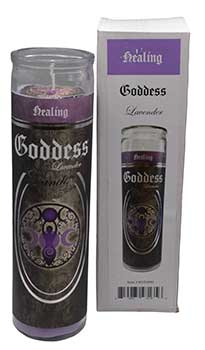

Goddess 90-hour jar candle (lavender)
$16.45
A devotional flame of the Goddess
A lavender-scented 90-hour jar candle with Goddess artwork, burned for calm, spiritual healing and devotion to the divine feminine.
Quick Uses
- Esbats: light it at the start of a full moon esbat and let it burn as her presence on the altar.
- Calm: burn it in the main room after an argument or a hard week to settle the space.
- Dreams: light it for an hour before bed, asking for clarity, and write down what comes on waking.
- Offerings: dedicate each lighting with words of thanks and a white flower set beside it.
How to Use It
Witchcraft & Folk Magick
- Devotional flame: light it at the start of a full moon esbat and let it burn through the ritual as her presence on the altar.
- Calm in the house: burn it in the main room after an argument or a hard week, so the lavender scent can settle the space.
- Dream and intuition work: light it for an hour before bed with a notebook beside it, asking for clarity, and write down whatever comes on waking.
Ceremonial & Occult Magick
- Lunar working: use it as the central light in a lunar rite on a Monday, the day of the Moon.
- Offering: dedicate each lighting with a few words of thanks, a white flower or a bowl of milk set beside it.
A Simple Working
- On the night of a full moon, set the candle on your altar with a bowl of water beside it.
- Drop a few dried lavender buds into the water.
- Light the candle and name what you need her help with: rest, calm, or guidance.
- Sit quietly with your hands around the bowl for a few minutes.
- Dab a little of the lavender water on your forehead and wrists.
- Let the candle burn for as long as you sit with it, then snuff and relight on following nights.
- Pour the water out onto the earth when the candle is spent.
Pairs Well With
- Lavender buds: for the water bowl, a dream pillow or a bath.
- Moonstone: the classic stone of the Goddess and the Moon.
- Goddess oil: to dress yourself before ritual.
- A silver altar chalice: to hold her water or wine.
What You Receive
One lavender-scented jar candle with Goddess artwork, approximately 90 hours of burn time, supplied boxed.
Origin & Lore
The Goddess in Wicca and much modern paganism is the divine feminine, honoured as the Moon, the Earth and the Mother of all living things. Lavender, the scent chosen for this candle, has been used for centuries to perfume linen, baths and sickrooms, and it is the herb of calm and quiet sleep in folk practice. This long-burning candle is made to keep her light on the altar for days at a time.
“I who am the beauty of the green earth, and the white moon among the stars”: the Goddess of modern witchcraft speaks in those words from Doreen Valiente’s Charge of the Goddess.
The Charge of the Goddess was written by Doreen Valiente in the 1950s for Gerald Gardner’s coven, reworking passages from Charles Godfrey Leland’s Aradia, or the Gospel of the Witches (1899) and from Aleister Crowley. It remains one of the most widely recited texts in Wicca. Nicholas Culpeper’s herbal of 1652 placed lavender under the rule of Mercury.
Did You Know?
The old botanical name for true lavender, Lavandula officinalis, marked it as a plant kept in the “officina”, the apothecary’s storeroom.
| Weight | 1.8 lbs |
|---|
Related products


