



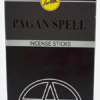
Pagan Magic incense sticks
$1.93
A floral smoke for pagan altars
A floral stick incense made for pagan altars, burned for seasonal rites, quiet contemplation and blessing a sacred space.
Quick Uses
- Sabbats: burn a stick at the opening of each Wheel of the Year festival while naming the season.
- Shrine offering: light one before an image of your patron deity and leave it to burn down as a gift.
- Contemplation: burn it before trance, journalling or scrying to signal that it is time to work.
How to Use It
Witchcraft & Folk Magick
- Sabbat rites: burn a stick at the opening of each Wheel of the Year festival, from Imbolc to Yule, while you name the season and what it asks of you.
- Shrine offering: light one before an image of your patron deity or a seasonal altar of flowers and greenery, and leave it to burn down as a gift.
- Contemplation: use it before trance, journalling or scrying so the room carries a familiar scent that tells your mind it is time to work.
A Simple Working
- At dusk, place a small bowl of fresh flowers and a green candle on your altar.
- Light the candle and greet the land you live on by name, if you know it.
- Light one stick from the candle and set it beside the flowers.
- Sit with the smoke for a few minutes and listen rather than speak.
- Say thanks for anything that came to mind.
- Next morning, lay the flowers outside under a tree.
Pairs Well With
- Green candle: for offerings to the land.
- Altar cloth: to mark out a seasonal altar.
- Incense holder: to keep the stick steady.
- Dried lavender: a floral herb to add to the offering bowl.
What You Receive
Floral pagan stick incense, 20 sticks per pack.
Origin & Lore
This is a modern floral stick incense, made for general pagan and witchcraft use rather than to an old recipe. Floral smoke has long been offered at household shrines and in seasonal festivals, and in modern pagan practice a light scent like this is used to open ritual, honour the gods of the land and settle the mind before meditation.
The word pagan began as a Roman put-down: paganus meant someone from the countryside. Today it is worn with pride, and this soft, floral incense is made for the altars of people who keep the old seasons.
Latin paganus meant a villager or rural person, and also a civilian as opposed to a soldier. Early Christian writers used it for those who kept to the old gods, a usage that took hold as Christianity spread from the cities while the countryside kept its rites longer. Modern pagans reclaimed the word in the twentieth century.
Did You Know?
The names Mabon and Litha, now common for the autumn equinox and the summer solstice, were introduced by the American pagan writer Aidan Kelly in the 1970s.
| Weight | 0.12 lbs |
|---|
Related products


