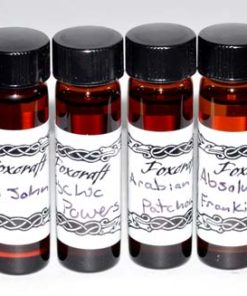

Tuberose oil
Price range: $3.25 through $80.25
A heady oil for seduction · Available in 3 sizes
An oil named for tuberose, the night-blooming flower famous for its heavy, sensual scent, used in love, seduction and glamour work.
Quick Uses
- Glamour: wear a drop at the throat and wrists before a date as a glamour.
- Candle dressing: dress a red candle on a Friday night for passion.
- Baths: add to a bath before a seduction working.
- Bedroom: dress the corners of bed sheets or pillows to warm a relationship.
How to Use It
Witchcraft & Folk Magick
- Wear a drop at the throat and wrists before a date as a glamour.
- Dress a red candle on a Friday night for passion.
- Add to a bath before a seduction working.
Hoodoo & Rootwork
- Anoint love petitions and red flannel mojo bags.
- Dress the corners of bed sheets or pillows to warm a relationship.
A Simple Working
- On a Friday evening, take a red chime candle and a square of parchment.
- Write what you desire in a lover, or the name of your partner.
- Dress the candle with Tuberose oil from base to wick.
- Anoint your own throat and wrists with a single drop.
- Light the candle on the paper and let its flame be the only light in the room.
- When it burns out, keep the paper under your mattress.
Pairs Well With
- Jasmine, another night-blooming flower of love and the Moon.
- Rose, for a softer note of affection.
- Red candles, for passion and desire.
- Damiana, often paired with tuberose in lust work.
- Carnelian, for warmth and confidence.
What You Receive
Tuberose oil, available in 2 dram, 1 oz and 16 oz bottles.
Origin & Lore
Tuberose oil is named for Polianthes tuberosa, a flower native to Mexico that the Aztecs called omixochitl, bone flower. It reached Europe in the 16th century and became one of the most prized and expensive perfume flowers, strongly associated with seduction and night.
Renaissance tradition held that young women should not walk in a tuberose garden after dark, the scent being thought too seductive for them.
Tuberose has been a luxury perfume material since it reached European gardens, and it was a favourite in the gardens of Louis XIV. In India it is called rajnigandha, fragrant at night, and the flowers are strung into wedding garlands and offered at temples.
Did You Know?
Despite its name, tuberose has nothing to do with roses: the name comes from the Latin tuberosa, meaning swollen, after its tuberous root.
| Weight | N/A |
|---|---|
| Size | 2 dram, 1 oz, 16 oz |
Related products