



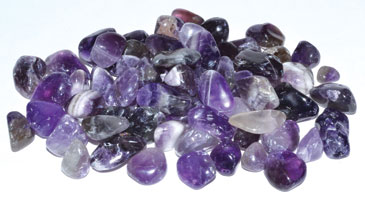
Amethyst Tumbled Chips (1 lb)
$14.25
A Full Pound Of Amethyst
A pound of small tumbled amethyst chips for dressing candles, filling jars and bottles, and building grids where a single stone is not enough.
Quick Uses
- Candle Ring: Press a ring of chips into the wax around a purple candle before a divination session.
- Dream Sachet: Fill a small cloth bag with a spoonful of chips and lavender and slip it into your pillowcase.
- Oil Charging: Drop a few chips into a bottle of anointing oil you use for psychic work.
- Altar Bowl: Keep a bowl of chips on your reading table and rest your cards on it between readings.
How to Use It
Witchcraft & Folk Magick
- Pour the chips into a spell jar with mugwort for a dream and divination jar kept by the bed.
- Scatter a handful under your altar cloth to keep the working space quiet and focused.
Hoodoo & Rootwork
- Add chips to a mojo for clear sight and sober judgement, dressed with a drop of anise oil.
- Sprinkle a few in the corners of a room after a floor wash to keep the house calm.
Ceremonial & Occult Magick
- Use amethyst in Jupiter talismans and lay chips around the talisman while it is being consecrated.
- Surround a crystal ball or black mirror with a circle of chips before scrying.
Demonology & Black Magick
- Ring a spirit’s seal with chips to keep your head clear during evocation and trance.
- Bury a handful with offerings to an ancestor or spirit as a gift and marker.
A Simple Working
- On a Monday night, set a purple chime candle in a holder.
- Dress the candle lightly with olive oil and roll it in dried mugwort.
- Ring the base with a handful of amethyst chips.
- Light the candle and gaze softly at the flame, asking for clear dreams.
- Let the candle burn out.
- Gather the chips into a small bag and sleep with it under your pillow.
- Write down what you dream as soon as you wake.
Pairs Well With
- Mugwort: The classic dream and divination herb alongside amethyst.
- Purple Chime Candles: Small candles for quick psychic workings.
- Muslin Sachet Bags: For dream pillows and pocket charms.
- Black Scrying Mirror: Ring it with chips for focused scrying.
What You Receive
1 lb of tumbled amethyst chips, 3–6mm. From India. Natural stones vary in size, colour and shape.
Origin & Lore
The name comes from the Greek amethystos, ‘not intoxicated’, and the stone was worn in the ancient world as a charm against drunkenness.
Its purple made it a stone of churchmen too: amethyst was long favoured for bishops’ rings, which is where the folk name Bishop’s Stone comes from.
Did You Know?
The popular myth of the nymph Amethyste turned to stone and stained by Bacchus’s wine is not ancient: it was written by the French poet Rémy Belleau in 1576.
Related products


