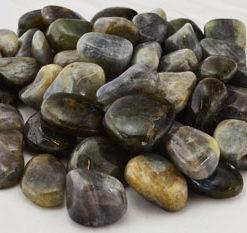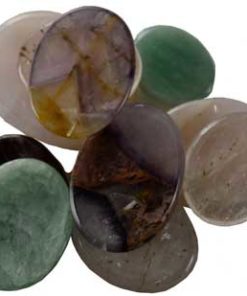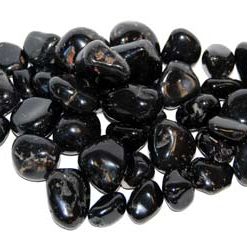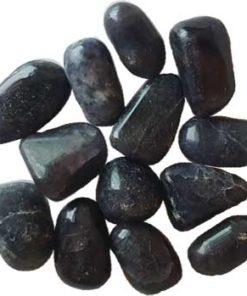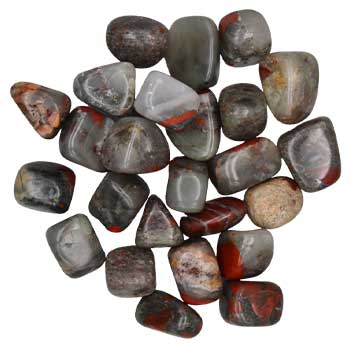
African Bloodstone Tumbled Stones (1 lb)
$25.25
Green Stone Of The Warrior
Tumbled African bloodstone, sold under the trade name Seftonite, carried by practitioners as a hard-working Martial stone for courage, protection and money.
Quick Uses
- Warrior Pocket: Carry one in your right pocket when you need to stand your ground.
- Wallet Stone: Keep one with your cash to hold money work in place.
- Threshold Guard: Set one on the windowsill or by the door as a steady ward.
How to Use It
Witchcraft & Folk Magick
- Carry one through a hard week and hold it each morning while you name what you will face.
- Set one in a dish of salt by the front door as a guard for the house.
Hoodoo & Rootwork
- Add one to a money hand with a bay leaf and a pinch of cinnamon, fed with a drop of money oil weekly.
- Place one on a protection petition beside a red candle dressed with a little red pepper.
Ceremonial & Occult Magick
- Charge it on a Tuesday in the hour of Mars and set it under a Martial talisman while it is consecrated.
- Keep it at the southern quarter of the altar during rites calling for strength.
Demonology & Black Magick
- Set it on the seal of a warlike spirit as a lasting offering stone.
- Carry it in the pocket during a hex or binding to keep your nerve steady.
A Simple Working
- On a Tuesday, light a red chime candle.
- Ring the candle with three bloodstones.
- Sprinkle a pinch of dried red pepper around the ring.
- Name the fight or task you need courage for.
- Let the candle burn out completely.
- Carry one of the stones until the task is done.
Pairs Well With
- Red Chime Candles: Martial colour for courage and protection burns.
- Dried Red Pepper: Hot and fast, added to courage and protection work.
- Hematite: An iron stone that shares the Martial current.
- Bay Leaves: For writing wishes and building money hands.
What You Receive
Approximately 1 lb of tumbled African bloodstone (Seftonite), sold by approximate weight only. Natural stones vary in size, colour and shape. From India.
Origin & Lore
Seftonite, or African bloodstone, is a trade name for a green stone sold as an alternative to classic bloodstone, the dark green chalcedony with red spots known as heliotrope.
Classic bloodstone has deep roots in lore. Pliny the Elder wrote that heliotrope set in a vessel of water turns the sun’s reflected rays blood red, and Christian legend held that its red spots were drops of Christ’s blood fallen on green stone.
Did You Know?
Heliotrope, the old name for bloodstone, means sun-turner in Greek, from Pliny’s account of the stone changing the colour of sunlight.
Related products