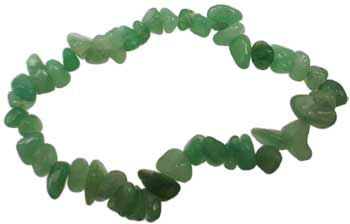
Green Aventurine Chip Bracelet
$4.35
The Gambler’s Green Stone
A stretch bracelet of green aventurine chips, the glittering green quartz that card players and lottery hopefuls wear for a run of luck.
Quick Uses
- Game Night: Wear it on the hand you deal, roll or play with.
- Ticket Charm: Rub the chips over a lottery ticket or scratch card before you check it.
- Sales Day: Wear it on days you need customers, clients or tips to come your way.
How to Use It
Witchcraft & Folk Magick
- Charge it on a Wednesday, Mercury’s day, and wear it for chance and quick wins.
- Tie a green thread to it and knot in a wish for luck, one knot per wish.
Hoodoo & Rootwork
- Dress the chips with a drop of Fast Luck oil before going to the casino or bingo hall.
- Keep it in a green flannel bag with a nutmeg and a High John root when not wearing it, so it rests among other luck curios.
Ceremonial & Occult Magick
- Wear it in the planetary hour of Mercury for trade, contracts and quick dealings.
Demonology & Black Magick
- Lay it on the seal of a spirit asked for luck at gambling or treasure, with a coin as the offering.
- Wear it while making offerings to a spirit of fortune you work with, as a token of the luck you are asking for.
A Simple Working
- On a Wednesday or Thursday, light a green chime candle.
- Dress the candle with a little cinnamon.
- Lay the bracelet around the base of the candle with a coin inside the loop.
- Say what kind of luck you want and where you want it to land.
- Let the candle burn out.
- Wear the bracelet and carry the coin as your lucky piece.
Pairs Well With
- Whole Nutmeg: A hoodoo gambler’s curio to carry beside the bracelet.
- Fast Luck Oil: Dress the chips before a game.
- Green Chime Candles: Short flames for quick luck work.
- Magnetic Hematite Bracelet: Draws what the aventurine invites.
What You Receive
One green aventurine chip bracelet. Chips are strung on an elastic string, approximately 3 1/8" loop (unstretched); one size fits most. As natural stone, each bead or chip varies in size, colour and shape, so no two bracelets are identical.
Origin & Lore
Green aventurine is a quartz that sparkles from tiny flakes of green mica, usually fuchsite, inside it. Its luck associations are modern, built on its name.
The name comes from Italian "a ventura", "by chance", first given to a Venetian sparkling glass said to have been made by accident; the natural stone was later named after the glass.
Did You Know?
The glittering glass called goldstone was the original "aventurine", and the natural stone borrowed the name because it sparkles the same way.
Related products


All Jewelry