



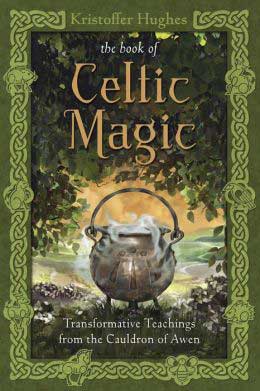

Book of Celtic Magic by Kristoffer Hughes
$24.19
Welsh Gods And Spirits
A step-by-step guide to the gods, myths, spirits of place and practical magick of Wales, with exercises and a glossary of terms.
Quick Uses
- Meet the Gods: Read one deity at a time and leave a simple offering as you learn about them.
- Spirits of Place: Walk your local land and note the trees, waters and stones that feel alive.
- Glossary Work: Learn its Welsh terms aloud so your invocations sound as they should.
How to Use It
Witchcraft & Folk Magick
- Use its rituals with trees and plants near your home, returning to the same spot each season.
- Craft a magickal tool from local wood and bless it with the methods it teaches.
Ceremonial & Occult Magick
- Work its invocations in a cast space and record each response in your journal.
- Build an altar to one Welsh deity and keep it for a full lunar cycle.
Demonology & Black Magick
- Approach the spirits of place with offerings before any conjuration, so you work with the land and not against it.
- Use its conjurations as a model for writing your own call to a spirit you already know.
A Simple Working
- At dusk, go to a tree or stream near your home.
- Bring a small cup of mead or milk.
- Light a white tealight in a jar beside you.
- Greet the spirit of the place and say your name.
- Pour the offering at the roots or into the water.
- Sit quietly and note anything you notice before you leave.
Pairs Well With
- Mead: A traditional offering in Celtic devotion.
- Oak Leaves or Acorns: For altar work with the trees.
- White Tealights: For simple outdoor offerings.
- Ogham Staves: For divination in the same tradition.
What You Receive
One copy of Book of Celtic Magic by Kristoffer Hughes.
Origin & Lore
Written by a Druid priest from Wales, the book covers the pantheon, myths and magickal allies of his homeland. It moves through rituals with trees, plants and animals, then into spells, conjurations, invocations and tools drawn from Celtic sources.
Much of what survives of Welsh myth comes from the Four Branches of the Mabinogi, tales preserved in two fourteenth-century manuscripts, the White Book of Rhydderch and the Red Book of Hergest.
Did You Know?
The name Mabinogion was made popular by Lady Charlotte Guest, whose English translations of the Welsh tales were published between 1838 and 1845.
Related products


