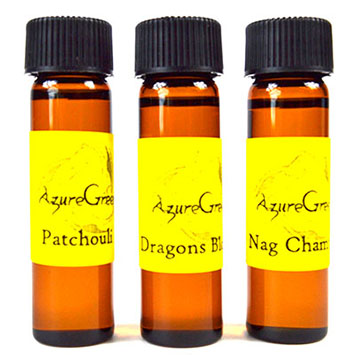

Acacia oil
Price range: $6.55 through $63.75
For consecration and psychic sight · Available in 3 sizes
Acacia oil carries the scent of the tree of the Ark of the Covenant, used to consecrate altars and tools, open psychic sight and honour the dead.
Quick Uses
- Consecration: wipe a new altar, wand or chalice with a few drops on a cloth before first use, stating its purpose.
- Psychic work: touch a drop to the brow and anoint a white or purple candle before scrying, tarot or pendulum work.
- Ancestors: dress a white candle with the oil when setting out photographs or offerings for the beloved dead.
- Solar work: anoint gold or yellow candles on a Sunday in the hour of the Sun.
How to Use It
Witchcraft & Folk Magick
- Altar consecration: wipe a new altar top, wand or chalice with a few drops on a cloth before its first use, stating what the tool is for.
- Psychic work: touch a drop to the brow before scrying, tarot or pendulum work, and anoint the base of a white or purple candle set beside the reading cloth.
- Ancestor shrine: dress a white candle with acacia oil when setting out photographs or offerings for the beloved dead.
Ceremonial & Occult Magick
- Solar workings: acacia is given to the Sun in modern correspondence tables, so the oil is used to anoint gold or yellow candles on a Sunday in the hour of the Sun.
- Temple preparation: a drop on each corner of the working space marks it as set apart before ritual begins.
- Masonic symbolism: practitioners drawing on lodge imagery use acacia when meditating on death, rebirth and the endurance of the spirit.
A Simple Working
- Choose a Sunday morning and clear a small table.
- Wipe the surface with a cloth moistened with water and a pinch of sea salt, then let it dry.
- Anoint a white chime candle with acacia oil from the middle up and the middle down.
- Place the candle at the centre of the table and light it.
- Touch a drop of oil to each new tool you want to bless, naming its purpose aloud.
- Let the candle burn down completely, then keep the tools on the table overnight.
Pairs Well With
- Frankincense resin: the classic companion incense for consecration.
- A white chime candle: a clean flame for blessing and ancestor work.
- Gum arabic: the acacia’s own resin, for binding homemade inks.
- Sea salt: to cleanse a surface before it is consecrated.
What You Receive
Acacia oil, a scented anointing oil, available in 2 dram, 1 oz and 16 oz.
Origin & Lore
Acacias are thorny trees and shrubs of Africa, Arabia and Australia, valued for hard timber and for gum arabic, the sap of Acacia senegal, which binds inks, paints and sweets. In the ancient Near East acacia wood was a sacred building material, and in Freemasonry a sprig of acacia stands for the soul’s survival after death.
The Book of Exodus orders the Ark of the Covenant to be built of shittim wood, the hard, thorny acacia of the Sinai desert. Few trees have been trusted with anything holier.
In the Master Mason degree of Freemasonry, the legend of Hiram Abiff tells of a grave marked by a sprig of acacia, which became the lodge emblem of immortality. Acacia was also a funerary and sacred tree in ancient Egypt, where its wood was used for coffins, boats and temple furniture.
Did You Know?
Gum arabic from Acacia senegal is still used today as a binder in watercolour paints and as a stabiliser in soft drinks and sweets.
| Weight | N/A |
|---|---|
| Size | 2 dram, 1 oz, 16 oz |
Related products