


For thousands of years alfalfa has fed the horses of farms and armies. In folk magick it feeds the household, kept close so that want never crosses the door.
Origin & Traditional Use
Medicago sativa is a deep-rooted legume first cultivated in the region of ancient Persia and now grown worldwide as hay and forage for livestock. Its sprouts are eaten, and the leaf was traditionally used as a nourishing tea.
Uses by Tradition
Witchcraft & Folk Magick
- Pantry charm: keep a small jar of alfalfa in the kitchen cupboard to guard the household against poverty and hunger.
- Money jar: add a pinch to a jar with coins and a written goal, topping it up whenever money comes in.
- Boundary ash: burn a little and scatter the ash around the edge of the property for lasting abundance.
A Simple Working
- Take a small glass jar with a lid.
- Add a tablespoon of alfalfa.
- Add three coins of any value.
- Add a pinch of cinnamon.
- Close the jar and say: “This house will always have enough.”
- Keep it at the back of the kitchen cupboard and add a coin each payday.
Pairs Well With
- Cinnamon, for warmth and speed in money work.
- Bay leaves, for writing a household wish.
- Basil, a traditional companion in money washes.
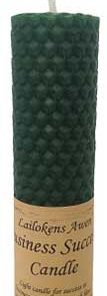
- A green chime candle, to burn beside a prosperity jar.
Lore & History
Pliny the Elder recorded that the plant reached Greece from Media during the Persian wars, which is why the Greeks and Romans called it medica, the Median grass. The genus name Medicago still carries that memory.
What You Receive
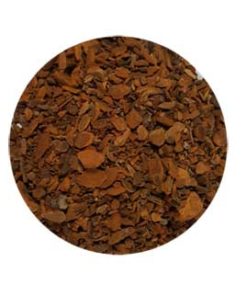
Cut dried alfalfa, available in 1 oz, 2 oz and 1 lb.
Did You Know?
Alfalfa is a legume: bacteria living in nodules on its roots draw nitrogen from the air, which is why farmers rotate it to enrich tired soil.
| Weight | N/A |
|---|---|
| Size | 1 oz, 2 oz, 1 lb |
Related products