All Purpose oil
Price range: $3.25 through $80.25
A blessing oil for any working · Available in 4 sizes
An all-purpose blessing oil used to bless people and objects, strengthen spells and carry protection and good fortune.
Quick Uses
- Candle dressing: anoint any candle that has no dedicated oil to give it a blessing before lighting.
- Blessing: bless new tools, jewellery and charms with a drop.
- Mojo bags: dress a mojo bag when it is first made, and again each week, to keep it fed.
- Consecration: consecrate a new altar or ritual space.
How to Use It
Witchcraft & Folk Magick
- Anoint any candle that has no dedicated oil to give it a blessing before lighting.
- Bless new tools, jewellery and charms with a drop.
Hoodoo & Rootwork
- Add to a bath for protection and good vibes before a day when you need everything to go right.
- Dress a mojo bag when it is first made, and again each week, to keep it fed.
Ceremonial & Occult Magick
- Consecrate a new altar or ritual space.
- Anoint talismans when no planetary oil is to hand.
A Simple Working
- Lay the object you want to bless, such as a pendant, a tool or a charm, on a clean white cloth.
- Dress a white chime candle with All Purpose oil and light it.
- Pass the object through the candle’s light three times.
- Anoint it with a drop of the oil, saying what you are blessing it for.
- Wrap it in the cloth and leave it beside the candle until the flame goes out.
- Wear or use it from that day on.
Pairs Well With
- A white candle, for any blessing.
- Clear quartz, the all-purpose stone.
- Frankincense, for consecration.
- Sea salt, for cleansing first.
- Florida Water, for a quick cleansing before blessing.
What You Receive
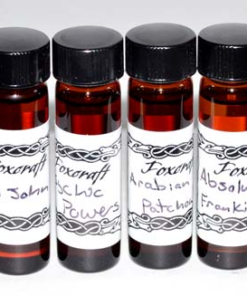
All Purpose oil, available in 2 dram, 4 dram, 1 oz and 16 oz bottles.
Origin & Lore
All Purpose oil is a general blessing and anointing oil in the condition-oil tradition, meant for any work that lacks a specific formula. It is used to bless a person or object, to increase the potency of a spell and to bring protection, luck and good fortune.
Every working altar needs one bottle that can go anywhere, and in the old formularies that was the all-purpose oil.
Spiritual-supply catalogs of the twentieth century sold dozens of narrowly named oils, but most also offered a general blessing oil for customers who wanted one bottle for every need. In hoodoo, feeding a mojo bag with a few drops of oil each week is a well-documented custom to keep it alive and working.
Did You Know?
In many traditions an object is not considered fully ready for magickal work until it has been anointed; the Latin word for anointing, unctio, gives us “unction”.
| Weight | N/A |
|---|---|
| Size | 2 dram, 4 dram, 1 oz, 16 oz |
Related products