Ambrosia oil
Price range: $6.55 through $74.75
Named for the food of the gods · Available in 3 sizes
An ambrosia scented oil named for the food of the gods, worked for joy, attraction, celebration and spiritual connection.
Quick Uses
- Celebration: anoint candles for feasts, sabbats and celebrations of good news.
- Attraction: wear a drop on the wrists when you want to radiate warmth and attraction.
- Offerings: dress offerings and votive candles set out for the Greek gods.
- Devotion: anoint yourself before rites of devotion or theurgy that seek closeness to the divine.
How to Use It
Witchcraft & Folk Magick
- Anoint candles for feasts, sabbats and celebrations of good news.
- Wear a drop on the wrists when you want to radiate warmth and attraction.
Ceremonial & Occult Magick
- Dress offerings and votive candles set out for the Greek gods.
- Anoint yourself before rites of devotion or theurgy that seek closeness to the divine.
A Simple Working
- Pour a small offering of honey and wine or juice into a cup.
- Anoint a white or gold candle with Ambrosia oil.
- Set the candle beside the cup and light it.
- Speak your thanks for something good in your life, and name the joy you want more of.
- Leave the offering until the candle burns down.
- Pour the offering onto the earth and wear a drop of oil for the rest of the day.
Pairs Well With
- Honey, the closest earthly food to ambrosia.
- A gold candle, for celebration and success.
- Rose petals, for attraction.
- Red wine or pomegranate juice, for libations.
- Frankincense, a resin long offered to the gods.
What You Receive
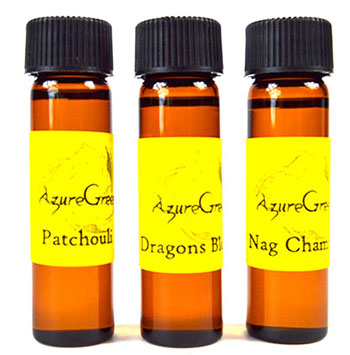
Ambrosia oil, available in 2 dram, 1 oz and 16 oz bottles.
Origin & Lore
This oil is named for ambrosia, the divine food of Greek myth, which kept the gods deathless and could make a mortal immortal. As a ritual oil it is worked for joy, celebration and attraction, and for offerings and rites that draw close to the divine.
The gods of Olympus did not eat bread or drink wine; they lived on ambrosia and nectar, and anyone who tasted them was touched by immortality.
In Homer, ambrosia is the food and nectar the drink of the gods, though later writers sometimes reverse them. Ambrosia was also used as an ointment: in the Iliad, Hera anoints herself with ambrosial oil before seducing Zeus, and Achilles’ mother preserves the body of Patroclus with ambrosia poured through his nostrils.
The name comes from Greek a-mbrotos, “not mortal”.
Did You Know?
Ambrosia beetles take their name from the myth: they tunnel into wood and farm a special fungus, called ambrosia fungus, which is their only food.
| Weight | N/A |
|---|---|
| Size | 2 dram, 1 oz, 16 oz |
Related products