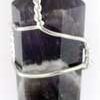
Angelite Wire-Wrapped Point Pendants (Set of 5)
$18.65
Soft Blue for Spirit Contact
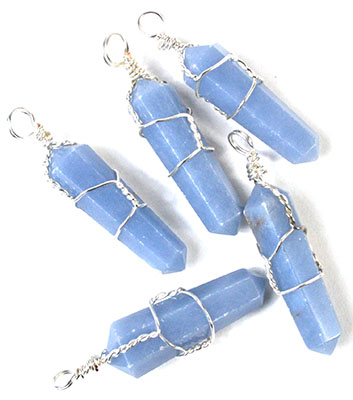
Five wire-wrapped angelite points in gentle sky-blue tones, worn by practitioners for peaceful spirit communication, quiet meditation and a serene presence.
Quick Uses
- Guide Contact: Wear one when you sit to make contact with guides or angels.
- Peaceful Home: Hang one in a room that needs a gentler atmosphere.
- Prayer: Hold one during prayer or devotional work.
- Shared Blessing: Give the five pendants to loved ones as charms of peace.
How to Use It
Witchcraft & Folk Magick
- Hang one near a window to invite a gentler atmosphere into the home.
- Wear one while meditating at dawn as a quiet focus.
Hoodoo & Rootwork
- Set one on the ancestor altar beside a white candle when calling on beloved dead.
- Keep one with a saint’s card on a household shrine for peaceful blessing.
- Lay one on a photograph of a departed loved one with a white flower as a gentle offering of remembrance.
Ceremonial & Occult Magick
- Wear one while invoking the archangels in the Lesser Banishing Ritual of the Pentagram.
- Use one as a focus stone during contemplative prayer and angelic invocation.
Demonology & Black Magick
- Wear one to keep your own energy settled while speaking with spirits.
- Leave one with an offering when thanking a familiar spirit after a working.
A Simple Working
- Set a white candle and a glass of clear water on your altar.
- Light the candle and hold an angelite pendant in both hands.
- Breathe slowly and invite your guides or angels to draw near.
- Ask a single question and wait in silence.
- Write down any words, images or impressions that come.
- Thank them, pour the water outside and snuff the candle.
Pairs Well With
- White Candles: Simple lights for guide and angel contact.
- Selenite: Pairs with angelite in quiet, high-vibration altar work.
- Frankincense: A classic resin for prayer and invocation.
- Amethyst: Adds psychic openness to meditation.
What You Receive
A set of five angelite points, each wire wrapped as a pendant, approximately 1 1/2″ long. Each piece varies in size, colouring and inclusions.
Origin & Lore
Angelite is a trade name for blue anhydrite, a calcium sulphate mineral, much of which comes from Peru. Because the name is modern, there is no ancient lore behind it; its reputation in crystal practice comes from its soft colour and its use in meditation and angelic contact.
Practitioners reach for it when they want spirit work to feel gentle and peaceful.
Did You Know?
Angelite is a trade name for blue anhydrite, a mineral whose name comes from the Greek for without water.
Related products