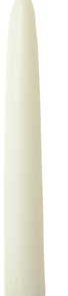
Attract Soul Mate Ritual Candle (7″)
$6.55
Call the one your soul already knows
A prepared 7″ ritual candle, charged, anointed and inscribed in Theban, for drawing a soul mate into your life.
Quick uses
- Love drawing: burn it to call a true partner toward you.
- Self-love: light it to open yourself to being found.
- Wish work: set a written wish for your ideal partner beneath it.
In stock
How to Use It
Witchcraft & Folk Magick
- This candle comes already charged, anointed and inscribed in the Theban script, the witches’ alphabet, so the core of the working is done before you strike the match.
- Its traditional purpose is to stir the nature spirits around you into helping draw a compatible partner. Burn it on a Friday, the day of Venus, or on the waxing moon.
- Write the qualities you seek on paper, not a particular person’s name, so the working stays open to the right soul.
Hoodoo & Rootwork
- Set the candle on a plate ringed with rose petals, or sprinkle a little love powder around its base, to strengthen the call.
Ceremonial & Occult Magick
- Burn it inside a circle dedicated to Venus, with the planetary hour of Venus chosen for lighting.
Demonology & Black Magick
- Practitioners use love candles like this while petitioning spirits of love and lust, offering the burning candle in exchange for help bringing a partner across their path.
A Simple Working
- Bathe or wash your hands, and think of yourself as already loved.
- Write the qualities of your soul mate on a slip of paper and fold it toward you.
- Place the paper beneath the candle and light it, speaking your wish aloud.
- Let the candle burn for an hour or more at a time, about 1″ each hour.
- Return to it on following nights until it is spent, then keep the paper in your pillowcase.
Pairs Well With
- Rose petals: to ring the candle in love.
- Love drawing oil: to touch your pulse points while it burns.
- Rose quartz: set beside the candle as a heart stone.
- Love incense: burned alongside to sweeten the room.
- Candle snuffer: for putting the flame out between sessions.
What You Receive
One 7″ Attract Soul Mate ritual candle, charged, anointed and inscribed in Theban. It burns approximately 1″ per hour.
Origin & Lore
Prepared candles carry the work of the witch who made them: the charge, the oil and the written symbols all speak the intention before you begin.
The Theban script used for the inscription has long been called the witches’ alphabet and is used to hide and empower written intentions.
Did You Know?
The Theban alphabet first appeared in print in Johannes Trithemius’s Polygraphia (1518), where it was attributed to Honorius of Thebes.
| Weight | 0.25 lbs |
|---|
Related products