Bacchus Wall Plaque
$39.55
The God of Wine and Ecstasy
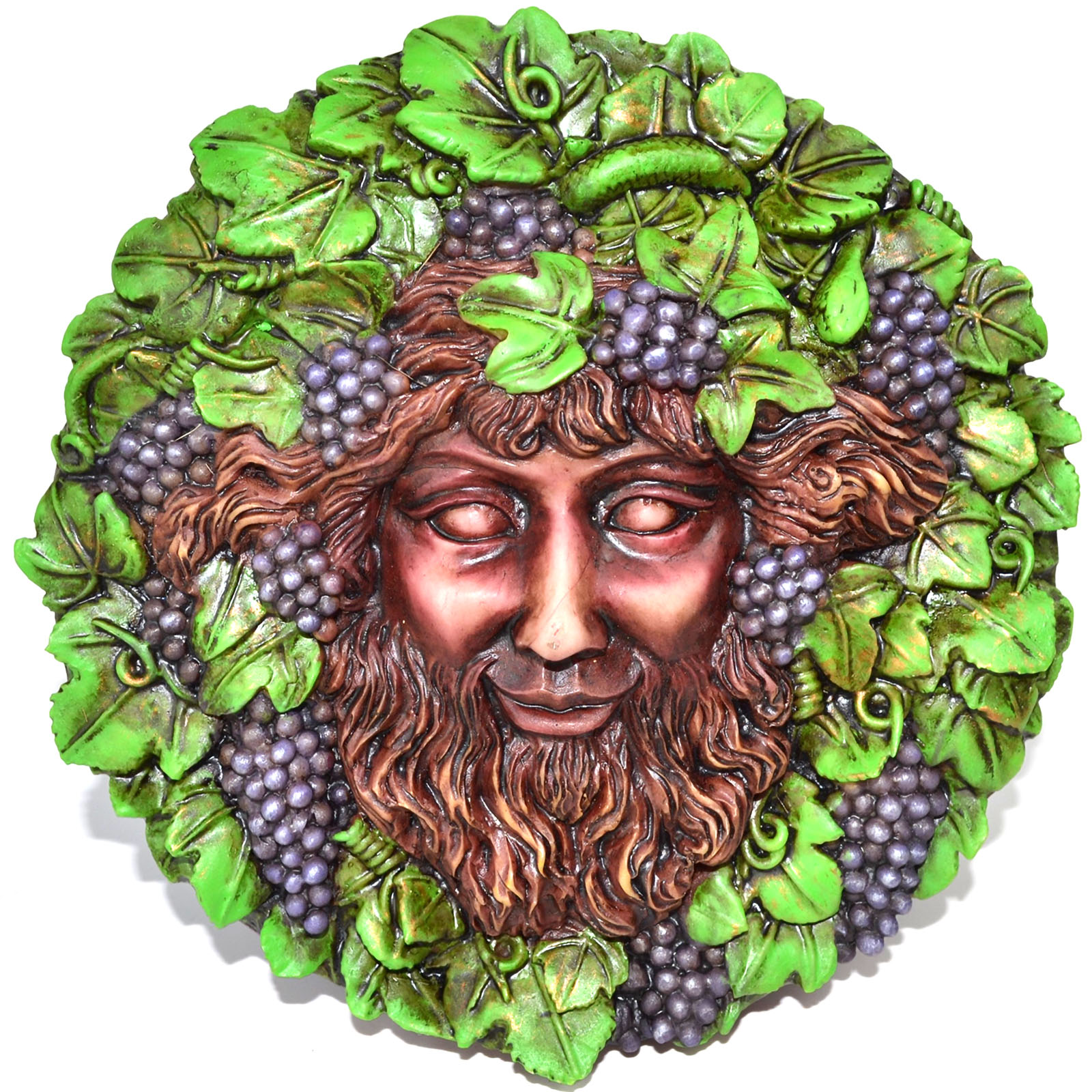
A hand painted plaque of Bacchus, the Roman Dionysus, hung by those who honour the god of the vine, revelry and sacred ecstasy.
Quick Uses
- Feast Altar: Hang it above the table where you share wine and food with friends at the harvest.
- Libations: Pour the first of any wine into a dish beneath the plaque as his share.
- Passion Work: Make it the focus of an altar for pleasure, celebration and desire.
How to Use It
Witchcraft & Folk Magick
- Set grapes, ivy and a small cup of red wine beneath the plaque at the autumn harvest.
- Call on him to bring joy and release to a gathering, and leave the last of the wine for him afterwards.
Hoodoo & Rootwork
- Burn a red candle dressed with a love or passion oil before him to stir up desire in a relationship.
- Keep a bottle of wine set before him as a prosperity offering when you open a bar, restaurant or party business.
Ceremonial & Occult Magick
- Use him as a focus for Dionysian rites of trance, music and dance.
- Meditate on his image to work with the mysteries of death and rebirth found in the Orphic tradition.
Demonology & Black Magick
- Offer him wine and music before ecstatic or trance work as an opening rite.
- Pour a libation at his plaque to close a spirit working and return yourself to the world of pleasure and the living.
A Simple Working
- On a Friday evening, set a small dish of red wine beneath the plaque.
- Light a red chime candle and a little frankincense.
- Lay a bunch of grapes or a sprig of ivy beside the candle.
- Play music you love and let yourself move or dance for a while.
- Speak aloud what you want more joy and passion in.
- When the candle has burned down, pour the wine onto the earth outdoors as his share.
Pairs Well With
- Red Chime Candles: For passion and celebration before him.
- Frankincense Resin: A classic offering to the old gods.
- Amethyst: The stone the Greeks linked with wine and sobriety.
- Grape Leaves or Ivy: Both are sacred to him and dress an altar well.
What You Receive
One Bacchus wall plaque, 5″, cast in polystone resin and hand painted from an original sculpture.
Origin & Lore
Bacchus was the Roman god of wine, fertility and ecstatic release, the counterpart of the Greek Dionysus. His original worship centred on the vine, the harvest and the sacred madness that freed his followers from ordinary life.
His Roman festivals, the Bacchanalia, were held in secret and became so feared that the Roman Senate restricted them in 186 BCE. He is shown crowned with ivy or grape leaves and carrying the thyrsus, a fennel staff tipped with a pine cone, attended by maenads and satyrs.
Did You Know?
The name amethyst comes from the Greek amethystos, meaning “not intoxicated”, a stone long tied to the lore of Dionysus.
Related products