


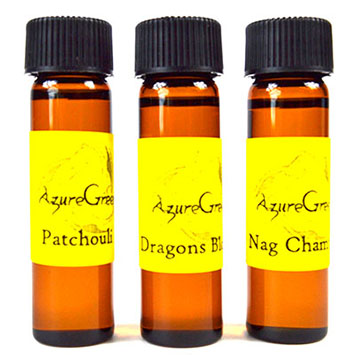
Balsam Fir oil
Price range: $6.55 through $63.75
An evergreen oil for the dark months · Available in 2 sizes
Balsam Fir oil carries the clean, green scent of the northern evergreen, used for cleansing, protection and renewal through the dark of the year.
Quick Uses
- Winter cleansing: add a few drops to a bowl of hot water and carry it through the house at the solstice.
- Yule altar: dress green and white candles as a sign of life enduring through winter.
- Protection: anoint an evergreen sprig and hang it above the front door through the cold months.
- Floor wash: add a few drops to a pine or salt floor wash and scrub the house from back to front.
How to Use It
Witchcraft & Folk Magick
- Winter cleansing: add a few drops to a bowl of hot water and carry it through the house at the solstice to refresh the air and the atmosphere.
- Yule altar: dress green and white candles with the oil as a sign of life that endures through winter.
- Protection: anoint a small evergreen sprig and hang it above the front door through the cold months.
Hoodoo & Rootwork
- Floor wash: a few drops added to a pine or salt floor wash give a sharp, clean finish when scrubbing the house from back to front.
- Lamp oil scent: added to an oil lamp or candle used for steady protection over the household.
A Simple Working
- On the evening of the winter solstice, open a window in each room for a few minutes.
- Fill a heatproof bowl with hot water and add a pinch of sea salt and five drops of balsam fir oil.
- Carry the bowl from the back of the house to the front, pausing in each room.
- In each room say, “Old air out, green life in.”
- Close the windows and set the bowl beside a green chime candle dressed with the oil.
- Light the candle and let it burn out, then pour the water out the front door.
Pairs Well With
- Pine oil: for a stronger cleansing floor wash.
- A green chime candle: for Yule and renewal work.
- Sea salt: the base of any cleansing water.
- Rosemary: adds protection to winter house blessings.
What You Receive
Balsam Fir oil, a scented anointing oil, available in 2 dram and 16 oz.
Origin & Lore
Balsam fir (Abies balsamea) grows across Canada and the northeastern United States. Its resin, gathered from blisters in the bark, was used as a sealant and glue, and its needles were stuffed into pillows and sachets for their long-lasting scent. It is one of the most popular Christmas trees in North America.
A Christmas tree, a balsam pillow from Maine, the smell of a northern forest in snow: balsam fir is the scent many people mean when they say “evergreen”.
Bringing evergreens indoors at midwinter is an old European custom, and one of the earliest written descriptions of decorated fir trees inside houses comes from Strasbourg in 1605. The resin of balsam fir was refined into Canada balsam, which became a standard material in laboratories.
Did You Know?
Canada balsam, made from balsam fir resin, was long used to glue specimens to microscope slides because it is nearly as clear as glass and bends light almost the same way.
| Weight | N/A |
|---|---|
| Size | 2 dram, 16 oz |
Related products


