


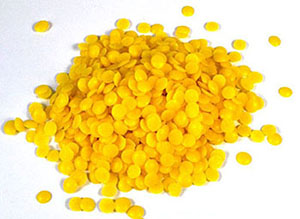
Beeswax pellets yellow
Price range: $4.35 through $27.45
Virgin wax for candles and poppets · Available in 3 sizes
Natural yellow beeswax pellets that melt quickly, for hand-made candles, wax poppets, seals and ritual balms.
Quick Uses
- Candle making: melt pellets with herbs or oil and roll or pour your own spell candles.
- Poppets: soften the wax and model a figure to work for love, healing or influence.
- Balms: melt into oil to make a ritual anointing balm.
- Grimoire work: use new, unused wax for magickal candles and images, as the Key of Solomon calls for.
How to Use It
Witchcraft & Folk Magick
- Hand-made candles: melt pellets with herbs or oil and roll or pour your own spell candles.
- Poppets: soften the wax, model a figure and work it for love, healing or influence.
- Balm base: melt into oil to make a ritual anointing balm.
Ceremonial & Occult Magick
- Virgin wax: grimoires such as the Key of Solomon call for new, unused wax for magickal candles and images.
Demonology & Black Magick
- Binding figures: the Greek Magical Papyri describe wax or clay figures pierced with needles to bind a target.
- Melting: an image of the enemy is warmed and melted before a fire so that they waste as the wax does.
A Simple Working
- Melt two tablespoons of beeswax pellets in a heatproof bowl over hot water.
- Let the wax cool until it is warm and pliable.
- Shape it into a simple human figure.
- Press a slip of paper with the person’s name into its chest, or a strand of their hair.
- Breathe on the figure and name it aloud.
- Wrap it in cloth and keep it on your altar while you work it.
Pairs Well With
- Rose petals, to work into a love poppet.
- Angelica root, for protective or healing figures.
- Olive oil, to make an anointing balm.
- A red chime candle, to dress with the same wax.
What You Receive
Yellow beeswax pellets, available in 1 oz, 2 oz and 1 lb.
Origin & Lore
Beeswax is made by honeybees to build their comb. For millennia it has been used for candles, sealing letters, waterproofing, polishes and salves, and the Church long required its altar candles to be made of it.
Wax has been shaped into human likenesses for magick for thousands of years, from the figures of Egyptian and Greek spells to the poppets of the English witch trials.
In an ancient Greek poem a woman melts wax over the fire so that her faithless lover may melt with desire. Wax figures pierced with pins have been found in Egyptian burials of the Roman period.
Did You Know?
Worker bees produce wax from four pairs of glands on the underside of the abdomen, where it appears as thin, clear flakes.
| Weight | N/A |
|---|---|
| Size | 1 oz, 2 oz, 1 lb |
Related products

All Herbs


