


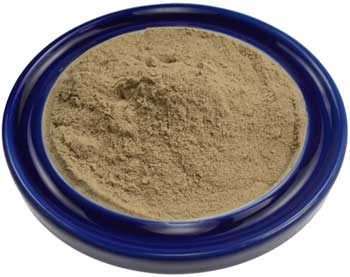


Benzoin smells of vanilla because it holds vanillin, the same compound in the vanilla bean. Its smoke is soft and sweet where frankincense is sharp.
Origin & Traditional Use
Benzoin is the resin of Styrax trees, tapped from the bark in Sumatra and mainland Southeast Asia. It has long been traded as a perfume fixative and incense, and it is a common ingredient in church incense blends, where it rounds off harsher resins. Ground to powder, it also works as a base that helps other ingredients in a homemade incense burn evenly.
Uses by Tradition
Witchcraft & Folk Magick
- Purifying smoke: burn a pinch on charcoal before ritual to clear a room without the bite of sage.
- Incense making: use it as the base resin in homemade blends, adding herbs and oils to it.
- Prosperity: burn with cinnamon on a Sunday or Thursday while counting money onto the altar.
A Simple Working
- Light a charcoal tablet and let it ash over.
- Sprinkle half a teaspoon of benzoin powder onto the coal.
- Add a pinch of ground cinnamon.
- Walk the smoke through each room from the back of the house to the front door.
- At each doorway, say what you want welcomed into the home.
- Let the coal burn out and scatter the cold ash at your front step.
Pairs Well With
- Frankincense tears: together they make a classic church-style purifying blend.
- Cinnamon: adds heat and a money note to the sweet smoke.
- Charcoal tablets: the powder is burned on a lit coal.
- Myrrh: for a deeper, more solemn blessing incense.
Lore & History
In Java and the Malay world, benzoin is kemenyan, a smoke long burned to call and feed spirits, at graves and offerings, and closely tied to the dukun, the local spirit-worker. The English name comes through Arabic luban jawi, ‘frankincense of Java’, which Europeans gradually bent into ‘benjoin’, ‘benzoin’ and ‘gum Benjamin’.
What You Receive
Benzoin gum in powdered granular form, for burning on charcoal or as an incense base. Available in 1 oz, 2 oz and 1 lb.
Did You Know?
Benzoic acid takes its name from benzoin, because it was first obtained by heating this resin; Nostradamus described the process in 1556.
| Weight | N/A |
|---|---|
| Size | 1 oz, 2 oz, 1 lb |
Related products


