


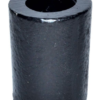
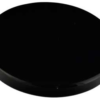
Black stone scrying bowl / smudge pot
Price range: $7.65 through $16.45
A dark stone pool for water scrying · Available in 2 sizes
A handmade black stone bowl for water scrying that doubles as a smudge pot, turning a shallow pool of water into a mirror for divination.
Quick Uses
- Water scrying: fill it with water, darken the room and gaze into the surface by candlelight.
- Oil reading: drip oil onto the water and read its shapes and movement in answer to a question.
- Smudge pot: burn dried herbs or loose incense on charcoal in the bowl to cleanse a room.
- Lunar scrying: set it outdoors on the full moon and gaze at the moon’s reflection in the water.
How to Use It
Witchcraft & Folk Magick
- Water scrying: fill with water, darken the room and gaze into the surface by candlelight.
- Oil reading: drip oil onto the water and read its shapes and movement in answer to a question.
- Smudge pot: burn dried herbs or loose incense on charcoal in the bowl to cleanse a room.
Ceremonial & Occult Magick
- Lunar scrying: on the full moon, set outdoors so the moon reflects in the water, and gaze at the reflection.
A Simple Working
- Fill the bowl almost to the brim with water.
- Add a single drop of ink so the water turns darker.
- Light a white chime candle to one side.
- Ask your question aloud once.
- Gaze softly at the water’s surface for ten minutes, letting shapes come and go.
- Write down what you saw, then pour the water onto the earth.
Pairs Well With
- A black obsidian scrying mirror: for dry scrying alongside water work.
- Mugwort: to burn or steep before divination.
- A white chime candle: for gentle light while scrying.
- Charcoal discs: when using the bowl as a smudge pot.
What You Receive
Handmade black stone scrying bowl and smudge pot in two sizes: 3″ wide and 2″ tall, or 6″ wide with a 1 1/4″ depth and 1 1/2″ overall height. Sizes vary slightly. Not food safe.
Origin & Lore
Gazing into water in a dark bowl is among the oldest forms of divination, known as hydromancy or lecanomancy. Ancient Mesopotamian diviners poured oil onto water in a bowl and read the shapes it formed. A black stone bowl gives the same dark, still surface, and doubles as a heatproof vessel for burning herbs.
Joseph’s silver cup in Genesis is called the cup ‘whereby indeed he divineth’, one of the oldest written references to bowl divination.
Nostradamus opens his Prophecies by describing himself sitting alone at night over a brass tripod, a line long read as a description of water divination in the manner of the ancient oracles. Babylonian lecanomancy texts list the meanings of oil shapes on water, such as a ring or a crescent, as omens for the questioner.
Did You Know?
The word lecanomancy comes from the Greek lekane, a dish or basin.
| Weight | N/A |
|---|---|
| Option | 3", 6" |
Related products


