


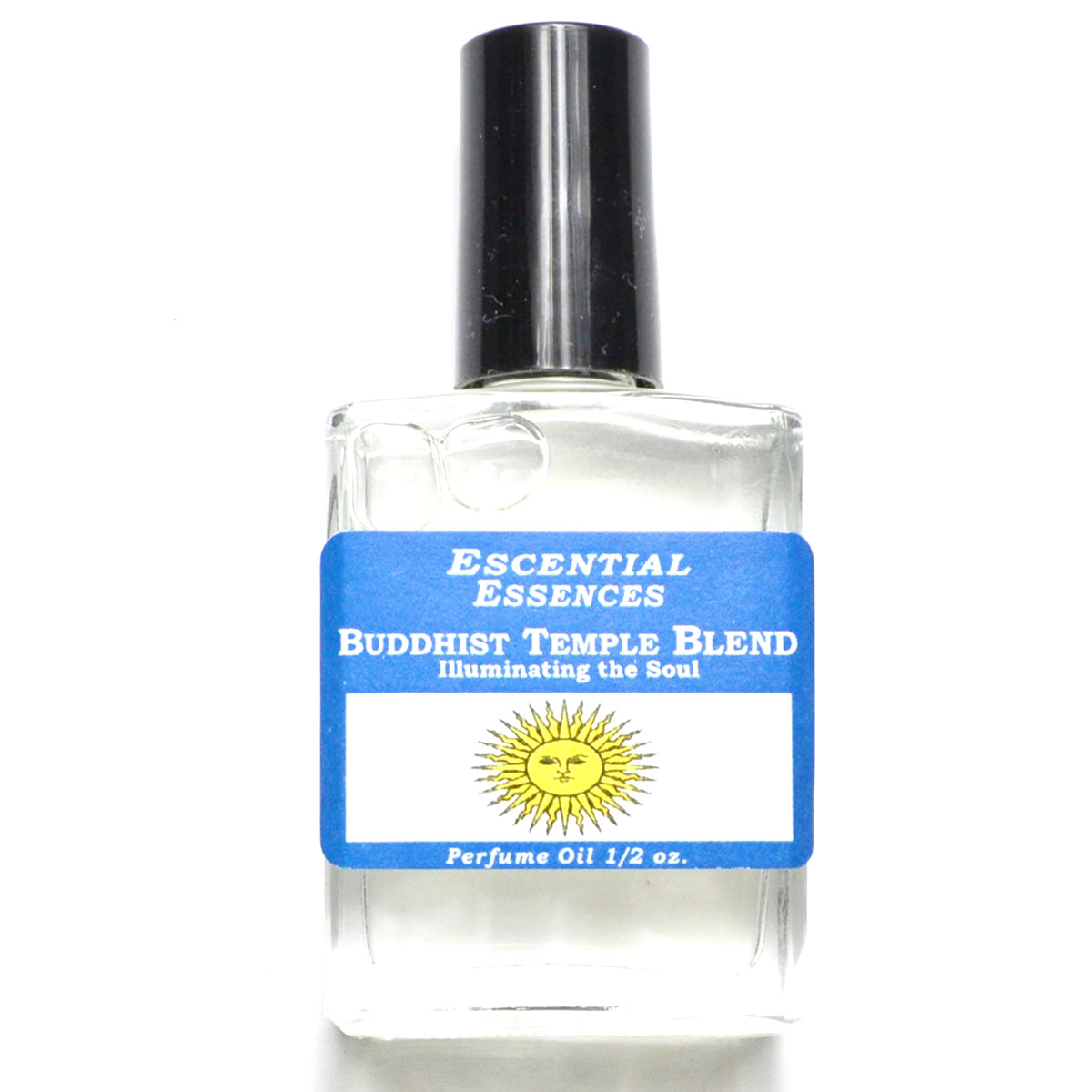
Buddhist Temple essences oil
$12.04
A temple scent for meditation
A temple-incense style perfume oil for right thinking and inner discipline, worn and used on candles in meditation and contemplation.
Quick Uses
- Meditation: anoint a candle or your brow before sitting meditation.
- Study: dress a white or yellow candle when you need clear, calm thinking for study.
- Retreat: use it on a candle or censer before a period of silent contemplation.
- Sacred space: anoint a journal or meditation cushion to set aside a space for practice.
How to Use It
Witchcraft & Folk Magick
- Anoint a candle or your brow before sitting meditation.
- Dress a white or yellow candle when you need clear, calm thinking for study.
Ceremonial & Occult Magick
- Use it on a candle or censer before a period of silent contemplation or retreat.
- Anoint a journal or meditation cushion as part of setting aside a space for practice.
A Simple Working
- Set a small bowl of water and a flower before you.
- Anoint a white candle and your wrists with the oil.
- Light the candle and sit upright, eyes lowered.
- Breathe naturally and count each breath up to ten, then begin again.
- When thoughts arrive, note them and come back to the breath.
- After twenty minutes, bow or pause in thanks and put out the candle.
Pairs Well With
- Sandalwood, the classic temple wood.
- A singing bowl or bell to open and close a session.
- White candles for clarity.
- Clear quartz or amethyst for focus.
- Lotus imagery on an altar.
What You Receive
Buddhist Temple perfume oil, in a 1/2 oz bottle, blended in cosmetic-grade oils.
Origin & Lore
Incense offerings are among the oldest practices in Buddhism, alongside flowers, light and water. This oil takes that atmosphere and puts it into a wearable form for meditation, study and quiet discipline. It is meant for contemplative workings rather than for any formal Buddhist ritual.
In many Buddhist temples incense is burned constantly, and the curl of smoke rising before an image is read as a reminder that all things change and pass.
The Pali texts list incense among the offerings made to the Buddha, and in China and Japan the craft grew into a refined art. In Japan, kōdō, the Way of Incense, treats scent as something to be listened to rather than smelled, and guests at an incense ceremony are said to listen to the fragrance.
Did You Know?
The oldest complete dated printed book is a Buddhist text, a copy of the Diamond Sutra from the year 868, found sealed in a cave at Dunhuang.
| Weight | 0.16 lbs |
|---|
Related products


