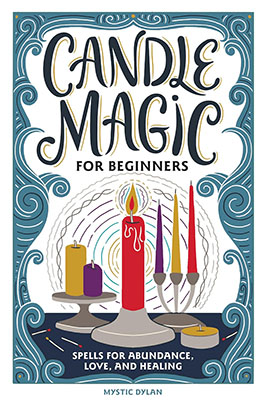
Candle Magic for Beginners by Mystic Dylan
$16.49
Learn to read the flame and work the wick
Mystic Dylan’s beginner’s guide to candle types, colours, altars and dressing a candle for spellwork.
Quick uses
- Study: learn how shape, size, colour and burn time shape a working.
- Altar: follow the guidance on setting up a sacred altar.
- Spellwork: try the protection, luck and beauty spells inside.
How to Use It
Witchcraft & Folk Magick
- Candle work is one of the oldest and simplest forms of sympathetic magick: the candle stands for the intention and the flame carries it out. Use this book to build a reliable foundation before you move on to figure or knob candles.
- Work through its sections on colour and shape, then keep a burn log noting how each candle behaved.
Ceremonial & Occult Magick
- Use the altar chapter to set a fixed working space, oriented and consecrated, so every candle you light there builds on the last.
- Combine the book’s guidance on preparing candles with planetary days: Sunday for success, Friday for love, Saturday for binding.
Divination & Spirit Work
- Practise reading the flame and the wax left behind; the shape of the melt and the behaviour of the flame are read as signs in many traditions.
- Light a plain white candle before divination to mark sacred time.
A Simple Working
- Choose a spell from the book and gather the candle it asks for.
- Cleanse the candle with a pass of incense smoke.
- Carve your name or intention into the wax and dress it with oil.
- Light it on your altar and state your intention aloud.
- Record how the candle burned in your notebook.
Pairs Well With
- Chime and taper candles: for practising the spells inside.
- Dressing oils: to anoint candles before lighting.
- Candle snuffer: to put out a flame without blowing on your working.
- Carving tool: for inscribing names and sigils into wax.
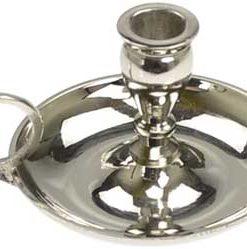
- Candle holders: to keep your altar steady and tidy.
What You Receive
A 6″ x 9″ paperback book with 168 pages by Mystic Dylan.
Origin & Lore
Candle Magic for Beginners covers the different types of candles and their uses, how shape, size, colour and burn time influence a working, how to create a sacred altar, prepare a candle and focus intention. It includes spells such as a Kemetic Flame of Protection, a Lucky Cat Candle, Aphrodite’s Beauty Ritual and a Druid’s Circle of Serenity.
Mystic Dylan is a practising witch and teacher of the occult arts.
Did You Know?
Candlemas, kept on 2 February, takes its name from the blessing of the year’s candles in churches on that day.
Related products