


Carnation oil
Price range: $6.55 through $74.75
A spicy gillyflower oil of strength · Available in 3 sizes
Carnation oil carries the clove-like scent of the old gillyflower, used for strength, protection, spiritual recovery and constant love.
Quick Uses
- Strength: anoint a red or orange candle when you need resolve and stamina for a hard week.
- Recovery: dress a white candle and keep it near someone recovering their spirits after loss.
- Protection: wear a drop on the collar or back of the neck before a tense situation.
- Devotion: dress a candle to honour a patron or mentor on an altar of gratitude.
How to Use It
Witchcraft & Folk Magick
- Strength: anoint a red or orange candle when you need resolve and stamina for a hard week.
- Recovery: dress a white candle and keep it near the bed of someone recovering their spirits after illness or loss.
- Protection: wear a drop on the collar or the back of the neck when going into a tense situation.
Ceremonial & Occult Magick
- Solar work: modern correspondence tables give carnation to the Sun and Fire, so the oil is used on solar talismans and on Sunday rites for vitality.
- Devotion: red carnation oil is used to honour a patron or mentor figure on an altar of gratitude.
A Simple Working
- On a Sunday, place a white chime candle on a saucer.
- Dress it with carnation oil from the middle upward and the middle downward.
- Set a fresh red or white carnation beside it.
- Light the candle and name the person you are holding up, or yourself.
- Touch a drop of the oil to your heart and your forehead.
- Let the candle burn out, and keep the flower in water until it fades, then return it to the earth.
Pairs Well With
- Fresh carnations: to set beside the candle as a living offering.
- A white chime candle: for spiritual recovery and blessing.
- Clove: shares carnation’s spicy note for protection blends.
- Sunflower petals: for solar strength workings.
What You Receive
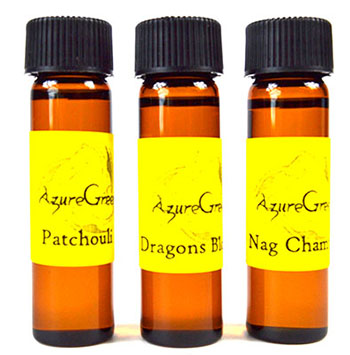
Carnation oil, a scented anointing oil, available in 2 dram, 1 oz and 16 oz.
Origin & Lore
The carnation (Dianthus caryophyllus) is a Mediterranean pink cultivated for thousands of years. Its spicy scent made it a favourite in medieval and Tudor gardens, where it was called gillyflower and used to flavour wine. It remains one of the most common flowers for weddings, funerals and buttonholes.
Its botanical name, Dianthus, is usually read as “flower of Zeus”, and the carnation has been a flower of devotion, mothers and revolutions ever since.
Anna Jarvis, founder of the American Mother’s Day, chose the white carnation as its emblem, and the custom grew of wearing red for a living mother and white for one who had died. Elizabethans called the flower “sops-in-wine” because its petals were steeped to flavour wine and ale.
Did You Know?
Portugal’s peaceful 1974 coup is called the Carnation Revolution because soldiers put red carnations in the barrels of their rifles.
| Weight | N/A |
|---|---|
| Size | 2 dram, 1 oz, 16 oz |
Related products


