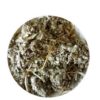
Cedar Smudge Stick (3-4″)
$4.35
Cedar smoke for cleansing, protection and blessing with grounding strength
A small cedar smudge bundle burned to cleanse spaces, invite protection and bless a home.
Quick uses
- Cleansing: clear negative energy from rooms and people.
- Protection: smoke doorways and windows to ward them.
- Blessing: consecrate a new home or altar.
In stock
How to Use It
Witchcraft & Folk Magick
- Cedar is known for its purifying smoke, used to clear negative energy, invite protection and bless with grounding strength.
- Smoke the threshold, windows and corners of a home to set a ward.
Ceremonial & Occult Magick
- Cedar was a temple wood in the ancient Near East and is linked to Jupiter, a fitting smoke for consecrating sacred spaces.
- Use it to cleanse the circle before casting.
Necromancy & Ancestor Work
- Cedar is used in many traditions to honour and call the ancestors; burn a little at the ancestor altar.
- Smoke yourself after visiting a graveyard to keep the dead from following you home.
Demonology & Black Magick
- Cleanse the ritual chamber with cedar before evocation so only the spirit you call can enter.
- Pass the smoke around your circle and triangle as a protective boundary.
- After a curse or pact rite, smoke yourself and the room to close the work and ground your energy.
- Burn a pinch of the cedar as an offering to a protective spirit before asking it to guard the home or the circle.
A Simple Working
- Open a window and light the tip of the cedar stick, letting it flame briefly.
- Blow it out and let it smoulder over a fireproof dish.
- Walk the room clockwise, smoking corners, doorways and windows.
- Smoke yourself from head to feet, stating that you are clean and protected.
- Press the stick into sand to put it out.
Pairs Well With
- Fireproof dish: to catch embers.
- Feather: to fan the smoke.
- Black salt: for warding thresholds afterward.
- White sage: for a combined cleansing.
- Protection oil: to anoint doorways.
What You Receive
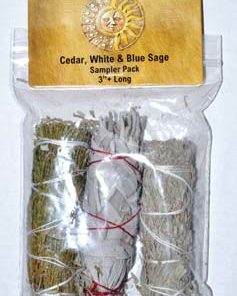
One bagged cedar smudge stick, 3-4″ long.
Origin & Lore
Cedar has been burned in cleansing and prayer by many Indigenous peoples of North America, and the cedars of Lebanon were used to build the temples of the ancient Near East.
In folk magick cedar is a wood of protection, longevity and money, often kept in chests to guard what is stored inside.
Did You Know?
The famous cedars of Lebanon appear on the national flag of Lebanon and are mentioned dozens of times in the Hebrew Bible.
| Weight | 0.20 lbs |
|---|
Related products