

Clove oil
Price range: $7.65 through $94.55
A spice bud for stopping gossip · Available in 3 sizes
Clove oil carries the warm, piercing scent of the Spice Islands bud, used for drawing money and love, protection and silencing gossip.
Quick Uses
- Stop gossip: dress a black or purple candle and burn it on a written list of the gossipers’ names.
- Money: dress a green candle for prosperity and good relations.
- Protection: anoint the front door or wear a drop on the collar to repel hostility.
- Love: dress a red candle with clove and a little cinnamon for warm, loyal love.
How to Use It
Hoodoo & Rootwork
- Stopping gossip: dress a black or purple candle with clove oil and burn it on a written list of the gossipers’ names to quiet their tongues.
- Money and friendship: clove is added to money and drawing formulas, and a drop on a green candle is used for prosperity and good relations.
Witchcraft & Folk Magick
- Protection: anoint the front door or wear a drop on the collar to repel hostility.
- Banishing: add clove oil to a banishing candle or incense to drive out unwanted influences.
- Love: a drop on a red candle with a little cinnamon is used for warm, loyal love.
A Simple Working
- On a Saturday, write the names of those spreading gossip on a slip of paper.
- Fold it away from you and set it under a black chime candle.
- Dress the candle with clove oil from the wick down to the base, pushing away from you.
- Light the candle and say, “Your words fall dead; your tongue is still.”
- Let the candle burn out.
- Bury the paper far from your home, or throw it into running water.
Pairs Well With
- Whole cloves: for pomanders and mojo bags.
- A black chime candle: for gossip-stopping and banishing.
- Cinnamon: for warm love and money blends.
- An orange: to stud with cloves as a pomander.
What You Receive
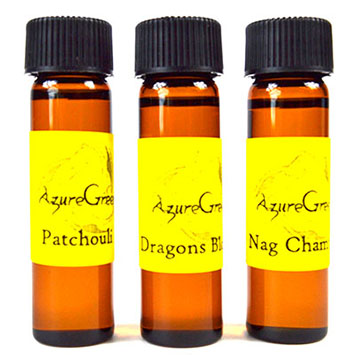
Clove oil, a scented anointing oil, available in 2 dram, 1 oz and 16 oz.
Origin & Lore
Cloves are the dried flower buds of Syzygium aromaticum, a tree native to the Maluku Islands of Indonesia. For centuries they were among the most valuable spices in world trade, fought over by the Portuguese and Dutch. They have long been used in cooking, perfume and incense.
Courtiers of the Han dynasty are said to have held cloves in their mouths to sweeten their breath before speaking to the emperor.
In Tudor England, oranges studded with cloves were carried as pomanders to sweeten the air, and the clove orange is still a Christmas decoration. Dutch control of the clove trade in the seventeenth century was so strict that trees outside their chosen islands were destroyed.
Did You Know?
The word “clove” comes from the Latin clavus, “nail”, for the bud’s shape; French still calls it clou de girofle, the “nail” of the clove tree.
| Weight | N/A |
|---|---|
| Size | 2 dram, 1 oz, 16 oz |
Related products