


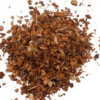

Cut a fresh comfrey root and it is slick and mucilaginous inside, which is why one of its country names is slippery root.
Origin & Traditional Use
The root of Symphytum officinale is black outside and creamy within. In traditional European herbal practice it was grated and applied in plasters and poultices for bruises, sprains and broken bones, giving the plant its name knitbone.
Uses by Tradition
Witchcraft & Folk Magick
- Travel charm: carry a piece in your pocket or bag on any journey.
- Holding together: use it in work for mending what is broken, whether a friendship or a household.
- Money keeping: keep a piece with your savings to hold money in place.
Hoodoo & Rootwork
- Safe travel: a piece of root is packed in luggage or carried in a travel mojo bag to protect the traveller.
- Guarding belongings: it is added to suitcases and bags to keep them from being lost or stolen.
A Simple Working
- Choose a single piece of comfrey root and a small red flannel bag.
- Light a white candle and hold the root in its light.
- Name the person who is travelling and where they are going.
- Add the root and a pinch of mugwort to the bag.
- Breathe into the bag and pull the drawstring closed.
- Tuck it inside the traveller’s luggage, to be removed once they are home.
Pairs Well With
- Mugwort, the traditional herb for travellers.
- Comfrey leaf, for a gentler travel blend.
- A red flannel bag, for a classic mojo.
- A white candle, to bless the charm.
Lore & History
Comfrey was cultivated in medieval monastery gardens, and its old Latin name consolida, meaning to make firm, became the English consound. Hoodoo tradition records comfrey root as one of the standard curios for travel protection.
What You Receive
Cut and dried comfrey root, available in 1 oz, 2 oz and 1 lb.
Did You Know?
The genus name Symphytum comes from the Greek symphyo, meaning to grow together.
| Weight | N/A |
|---|---|
| Size | 1 oz, 2 oz, 1 lb |
Related products


