


The Maya called copal pom and the Aztecs copalli; its smoke was described as food for the gods and still drifts over altars every Day of the Dead.
Origin & Traditional Use
Copal is the resin of tropical trees, especially Bursera and Protium, gathered in Mexico and Central America. It has been burned there since before the Conquest in temples, homes and fields, and is still central to Mexican Indigenous and folk Catholic practice, from church festivals to the ofrendas of Día de Muertos.
Uses by Tradition
Witchcraft & Folk Magick
- Limpia: in Mexican curanderismo, a person is cleansed by passing copal smoke over the body from head to feet.
- Ancestor altar: burn a stick beside photographs, water and food set out for the dead.
- Room clearing: carry a lit stick through the house, paying attention to corners and doorways.
A Simple Working
- Set a glass of water and a white candle on your ancestor altar.
- Add a photograph or written name of the person you are honouring.
- Light the candle, then light a copal stick from it.
- Wave the smoke over the altar three times and call the person by name.
- Speak to them as you would in life, and leave a small offering of food or flowers.
- Let the stick burn out, and replace the water the next day.
Pairs Well With
- Copal resin: for heavier offerings on charcoal.
- Marigolds: the traditional flower of the Day of the Dead.
- A white seven-day candle: for an ancestor altar.
- An incense holder: to catch the ash.
Lore & History
The Florentine Codex, compiled in sixteenth-century Mexico, describes copal offered by Aztec priests in clay censers to the gods and to the four directions. Maya communities in Guatemala and Chiapas still burn pom in their ceremonies today, often on the same hilltop shrines their ancestors used.
What You Receive
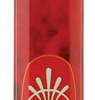
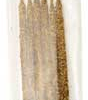
Copal incense sticks, available as a 10 pack of natural copal resin sticks, a premium 10 pack handmade from pure copal, a hand-rolled 8 pack with visible resin and botanical grains, a 25 g pack, or a box of 6 packs.
Did You Know?
Copal is younger than amber: it is resin that has hardened but not fully fossilised, and pieces of copal are sometimes sold as ‘young amber’.
| Weight | N/A |
|---|---|
| Option | Copal resin, 10 pack, Premium, 10 pack, 8 pack, 25 g, Box of 6 packs |
Related products


