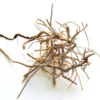

Devil’s Claw Root cut (Harpagophytum procumbens)
Price range: $5.45 through $50.55
A clawed ward that catches ill intent · Available in 3 sizes
The cut tuber of a Kalahari plant whose fruit hooks onto anything that passes, used by modern witches as a ward that catches what comes for you.
Quick Uses
- Threshold ward: bury a piece by the gate or lay it above the door to snag ill intent before it crosses.
- Banishing: add a few pieces to a banishing jar or pouch to hook an unwanted influence and drag it away.
- Doorway: lay a piece above the front door as a standing ward for the house.
How to Use It
Witchcraft & Folk Magick
- Threshold ward: a piece buried by the gate or laid above the door, so that its claws snag ill intent before it crosses.
- Banishing: a few pieces added to a banishing jar or pouch to hook an unwanted influence and drag it away from you.
These uses are modern, built on the plant’s name and its hooked fruit; there is no older European lore for it.
A Simple Working
- Set out a few pieces of devil’s claw root, a pinch of salt, an iron nail and a small cloth pouch.
- Hold the root and name what you want kept off your threshold.
- Place the root, salt and nail in the pouch.
- Tie it closed with three knots.
- Hang it inside the front door or bury it by the gate.
- Renew the salt at each new moon.
Pairs Well With
- Salt for a clean protective base.
- An iron nail for traditional warding.
- Devil’s shoestring for tripping up what the claw doesn’t catch.
- Rue for banishing and protection.
What You Receive
Cut devil’s claw root, available in 1 oz, 2 oz and 1 lb.
Origin & Lore
Devil’s claw is a creeping plant of the Kalahari and the dry savannas of southern Africa. The San and Khoikhoi peoples have long dug and dried its secondary tubers, which were traditionally used as a bitter tonic and later became a trade herb in Europe.
The fruit of this plant is armed with curved hooks so tenacious they can lock onto the hoof or muzzle of a grazing animal and travel with it for miles.
The genus name Harpagophytum means grapple plant, from the Greek harpagos, a grappling hook. In Namibia, where most of the trade harvest is dug, much of the work is still done by San communities on their own land.
Did You Know?
The root sold in trade is the plant’s secondary tuber. Careful harvesters take these and leave the main taproot in the ground to regrow.
| Weight | N/A |
|---|---|
| Size | 1 oz, 2 oz, 1 lb |
Related products