

DPG carrier oil
$13.14
A neutral base for your own blends
Dipropylene glycol, a colourless, odourless carrier and diluent for crafting incense, blending perfumes and making anointing oils.
Quick Uses
- Perfume oils: use as a neutral base when blending your own perfume oils for glamour work.
- Incense: blend fragrance oils into it to dress loose incense or make your own scented incense.
- Condition oils: use as a base for home-made condition oils, adding the herb or fragrance that names the formula.
- Ceremonial: use as a neutral carrier for planetary perfumes and consecration oils you compound yourself.
How to Use It
Witchcraft & Folk Magick
- Use as a neutral base when blending your own perfume oils for glamour work.
- Blend fragrance oils into it to dress loose incense or make your own scented incense.
Hoodoo & Rootwork
- Use as a base for home-made condition oils, adding the herb or fragrance that names the formula.
- Blend your own dressing oils for candles and mojo bags.
Ceremonial & Occult Magick
- Use as a neutral carrier for planetary perfumes and consecration oils you compound yourself.
A Simple Working
- Choose the fragrance or essential oil that suits your intention.
- Place a measure of DPG in a clean glass bottle.
- Add your fragrance drop by drop, smelling as you go, until the scent is right.
- Cap the bottle and roll it between your palms while you speak your intention.
- Label it with the name and date.
- Let it rest for a few days before using it to dress candles or incense.
Pairs Well With
- Fragrance oils, for scenting your blends.
- Unscented incense sticks or makko powder, for making your own incense.
- Small glass bottles, for storing finished oils.
- Dried herbs, to add to finished bottles.
- Essential oils, for natural scent notes.
What You Receive
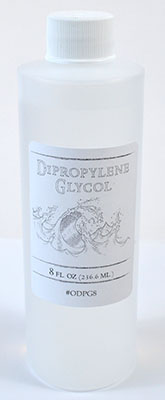
DPG (dipropylene glycol) carrier oil, colourless and odourless, in a 8 oz bottle.
Origin & Lore
DPG is dipropylene glycol, a carrier and diluent used throughout the fragrance and cosmetic trades. Because it is colourless and odourless, it carries fragrance cleanly, which makes it useful for practitioners who blend their own perfume oils, condition oils and incense.
Every serious oil maker eventually needs a carrier that adds nothing of its own, letting the scent of the herbs and resins speak for themselves.
The hoodoo and spiritual-supply tradition has always relied on compounded oils: a carrier, a scent and a named intention. Twentieth-century supply houses made hundreds of condition oils this way, and many practitioners still mix their own from simple bases.
Did You Know?
Dipropylene glycol is not one compound but a mixture of three closely related isomers.
| Weight | 0.7 lbs |
|---|
Related products