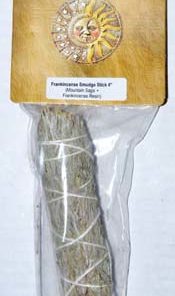
Dragon’s Blood & White Sage Smudge Stick (5″ – 6″)
$6.55
White sage bound with dragon’s blood resin
A smudge stick blending white sage and dragon’s blood resin, used to cleanse and then empower a space.
Quick uses
- Cleansing: smudge your home and tools.
- Empowerment: charge a space after clearing it.
- Ritual prep: smoke the circle before working.
In stock
How to Use It
Witchcraft & Folk Magick
- The smudge stick blends white sage and dragon’s blood resin, two of the most popular fragrances in ritual practice.
- Sage clears and dragon’s blood strengthens, so one stick cleanses a space and fills it with power.
Divination & Spirit Work
- Smudge yourself and your cards, runes or mirror before a reading.
- Pass it around the room before a seance to clear and protect.
Demonology & Black Magick
- Smudge the circle and the triangle before evocation, clearing the space while the dragon’s blood gives power for the spirit to manifest.
- Pass the seal and your ritual tools through the smoke to consecrate them.
- After dismissing a spirit, smudge again to close the working.
Hoodoo & Rootwork
- Rootworkers can smoke mojo bags, dolls and petitions with it before finishing them.
- Smoke a new home or business from back to front before setting down protection powders at the door.
Necromancy & Ancestor Work
- Smudge the ancestor altar before offerings, so the space is clean and the dead are welcomed into a strong, guarded place.
- Pass photographs and heirlooms through the smoke before setting them on the shrine.
A Simple Working
- Open a window or door a little.
- Light the tip of the stick and blow out the flame so it smoulders.
- Walk your space clockwise, wafting the smoke into corners and doorways.
- Speak aloud what you are clearing and what you are calling in.
- Extinguish it in sand or an abalone shell.
Pairs Well With
- Abalone shell: to catch the ash.
- Feather fan: to direct the smoke.
- Sand: to put the stick out.
- Black salt: to seal the cleansed space.
- Candle: to finish the rite.
What You Receive
One Dragon’s Blood & White Sage smudge stick, 5″ – 6″.
Origin & Lore
White sage, Salvia apiana, is a sacred herb of the Indigenous peoples of California, where it grows wild.
Dragon’s blood resin has been burned as incense since ancient times and is used in many magickal traditions to add power to ritual.
Did You Know?
White sage grows naturally only in southern California and northern Baja California, which is why sustainable harvesting matters to so many practitioners.
| Weight | 0.30 lbs |
|---|
Related products