



In Denmark and in the English countryside alike, nobody cut elder without first asking the tree’s leave, in case the Elder Mother followed them home.
Origin & Traditional Use
Elder is a small tree of European hedgerows and woodland edges. Its berries went into wine, cordial, jelly and dye in country kitchens, and its hollow stems were pushed clear of pith to make whistles and pipes.
Uses by Tradition
Witchcraft & Folk Magick
- Protection: elder was hung over doors and windows to keep harm and witchcraft out; dried berries in a jar or sachet by the door carry the same work.
- Spirit work: berries are left at the foot of an elder tree, or added to an offering bowl, when working with the spirits of the land and the tree’s own spirit.
- Banishing: berries scattered around a room or the edge of a property to drive out unwanted spirits and influences.
A Simple Working
- Set out a small handful of dried elder berries, a pinch of salt and a small lidded jar.
- Ask aloud for the Elder Mother’s protection over your home.
- Place the salt in the jar, then the berries on top.
- Tie a length of red thread around the neck of the jar.
- Set the jar on a shelf above or beside the front door.
- Refresh it at Midsummer, returning the old berries to the earth under a tree.
Pairs Well With
- Rowan berries, elder’s partner in hedgerow protection lore.
- Hawthorn berries for work with the land and the Good Folk.
- Red thread to bind a protective charm.
- Salt for a clean protective base.
Lore & History
At the Rollright Stones in Oxfordshire, legend tells of a witch who turned a king and his men to stone and then became an elder tree herself; it was said the tree bled when cut on Midsummer Eve. Across England the old rule held that you never burn elder wood, or you would bring the Devil into the house.
What You Receive
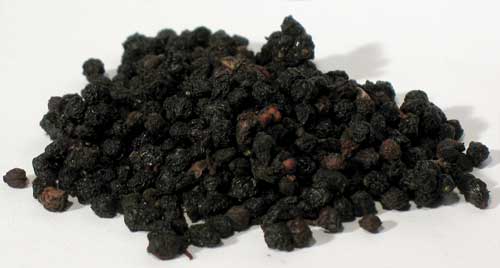
Dried elder berries, available in 1 oz, 2 oz and 1 lb.
Did You Know?
The folk name bore tree comes from boring the soft pith out of young elder stems to make pipes, whistles and pea-shooters.
| Weight | N/A |
|---|---|
| Size | 1 oz, 2 oz, 1 lb |
Related products


All Herbs