




Fertility magick is among the oldest recorded magick in the world, from carved figures to seeds planted under the waxing Moon.
Origin & Traditional Use
Fertility oil belongs to the family of named formula oils made for blessings of new life. It is used in candle work, prayers and charms for those hoping to conceive, as well as for creative and abundant beginnings. Many practitioners pair it with lunar timing and with saints associated with mothers.
Uses by Tradition
Witchcraft & Folk Magick
- Dress a green or white candle at the new Moon and let it burn as the Moon grows.
- Anoint an egg, a seed or a pomegranate on the altar as a symbol of new life.
- Add a drop to a charm bag of seeds and keep it by the bed.
Hoodoo & Rootwork
- Dress a candle to Saint Gerard Majella, patron of expectant mothers, with a written prayer beneath it.
Ceremonial & Occult Magick
- Anoint a lunar talisman made on a Monday as the Moon waxes.
A Simple Working
- At the new Moon, write your wish for a child on a square of parchment.
- Anoint the paper with a drop of Fertility oil.
- Place a fresh egg or a handful of seeds on the paper.
- Dress a white or green candle with the oil and set it beside them.
- Light it and speak your wish.
- Repeat with a fresh candle each night until the full Moon.
- Plant the seeds or bury the egg in the earth when the work is finished.
Pairs Well With
- Pomegranate, the old symbol of fertility and abundance.
- Moonstone, for lunar and feminine work.
- Green or white candles, for growth and blessing.
- Raspberry leaf, a traditional herb of women’s lore.
Lore & History
Fertility charms appear in almost every folk tradition, and the spiritual-supply trade offered named oils for the purpose alongside saint candles and prayer cards. Saint Gerard Majella, an eighteenth-century Italian lay brother, became widely venerated as patron of mothers and those hoping to conceive.
What You Receive
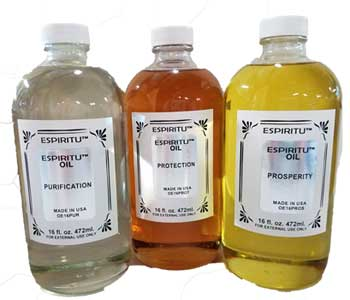
Fertility oil, in a 16 oz bottle.
Did You Know?
In Greek myth, the pomegranate seeds eaten by Persephone bound her to the underworld for part of each year, linking the fruit to the cycle of the seasons and new growth.
| Weight | 2 lbs |
|---|
Related products


