Frankincense oil (Espiritu blend)
Price range: $3.25 through $80.25
The sacred temple resin in oil · Available in 3 sizes
Frankincense oil carries the scent of the sacred temple resin, worked for consecration, purification and settling the emotions in ritual.
Quick Uses
- Consecration: anoint candles and tools to consecrate them before first use.
- Ritual: wear a drop before ritual to calm the mind and settle the emotions.
- Baths: add to a spiritual bath for cleansing before important work.
- Offerings: use as an offering to spirits and deities who receive incense.
How to Use It
Witchcraft & Folk Magick
- Anoint candles and tools to consecrate them before first use.
- Wear a drop before ritual to steady the mind and settle the emotions.
- Add to an altar dressing for general blessing work.
Hoodoo & Rootwork
- Use in blessing work alongside Psalms, dressing candles for peace and spiritual strength.
- Add to a spiritual bath for cleansing before important work.
Ceremonial & Occult Magick
- Anoint the brow and hands before ceremonial ritual, as frankincense is a classic solar offering.
- Consecrate talismans, wands and seals with a drop during their charging.
- Use as an offering to spirits and deities who receive incense.
A Simple Working
- Cleanse your altar and set a white or gold candle in the centre.
- Anoint the candle with the oil, base to wick.
- Anoint your brow and both palms.
- Light the candle and hold the tool or charm you want to bless in its light.
- Dab a drop of oil on the tool, saying what it is for.
- Let it rest on the altar until the candle burns down.
Pairs Well With
- Myrrh, the traditional partner of frankincense in sacred incense.
- Charcoal discs and resin, to burn frankincense alongside the oil.
- A gold or white candle, for solar blessing and consecration.
- Clear quartz, to hold the blessing after consecration.
What You Receive
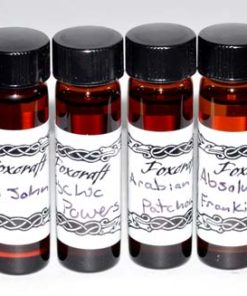
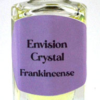
Frankincense oil, available in 2 dram, 1 oz and 16 oz bottles.
Origin & Lore
Frankincense is the hardened resin of Boswellia trees, gathered by cutting the bark and letting the sap weep and dry. It was burned in Egyptian, Hebrew, Greek and Roman worship and is still the incense of Christian churches, so its scent has become shorthand for the sacred.
Frankincense was carried by camel caravans along the Incense Route from southern Arabia, and at its height it was worth more than many metals.
Frankincense is one of the three gifts of the Magi in the Gospel of Matthew, and it was a key ingredient in the incense of the Jerusalem Temple.
An Egyptian temple relief at Deir el-Bahari records an expedition to the land of Punt around 1470 BCE that brought back living incense trees.
Did You Know?
The name frankincense comes from Old French franc encens, meaning pure or noble incense.
| Weight | N/A |
|---|---|
| Size | 2 dram, 1 oz, 16 oz |
Related products