

French Lilac oil
Price range: $6.55 through $12.05
An old dooryard flower for warding · Available in 2 sizes
French lilac oil carries the heavy springtime scent of farmhouse lilac hedges, worked for protection, driving out unwanted spirits and remembrance.
Quick Uses
- Warding: dab it on the front door frame and windowsills to keep unwanted influences off the house.
- Clearing: add a few drops to spring water and asperge a room where something unwelcome has settled.
- Ancestors: anoint a purple candle on an ancestor altar beside a photograph.
How to Use It
Witchcraft & Folk Magick
- Warding: dab the oil on the frame of the front door and the sills of windows to keep unwanted influences off the house.
- Exorcism and clearing: add a few drops to spring water and asperge a room where something unwelcome has settled.
- Memory and the dead: anoint a purple candle on an ancestor altar beside a photograph, especially in spring when lilacs bloom.
A Simple Working
- Set a purple or white chime candle in front of your front door, inside the house.
- Dress the candle from the middle out to both ends with French lilac oil.
- Touch a drop of the oil to each corner of the door frame.
- Light the candle and say plainly that only those who wish the house well may enter.
- Sprinkle a pinch of sea salt across the threshold.
- Let the candle burn down, then sweep the salt out the door.
Pairs Well With
- A purple chime candle: lilac’s own colour, for spirit and memory work.
- Sea salt: to line the threshold in warding work.
- Frankincense: burned alongside for a stronger clearing.
- Lily oil: another spring flower of protection and the dead.
What You Receive
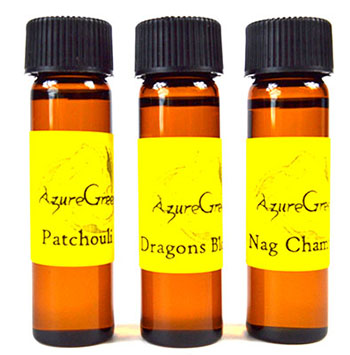
French Lilac oil in 2 dram and 1 oz sizes.
Origin & Lore
Common lilac (Syringa vulgaris) is a shrub native to the rocky hills of the Balkans, prized for its fragrant purple and white blooms in late spring. ‘French lilac’ is the name gardeners gave to the many named varieties bred in France from the late nineteenth century, and the scent became a staple of soaps, powders and perfumes.
Old New England houses often have a lilac by the door, and the folk belief behind it was simple: the shrub was there to keep evil off the property.
Lilac reached Western Europe from the Ottoman world in the sixteenth century; the Habsburg ambassador Ogier Ghiselin de Busbecq is usually credited with bringing it to Vienna from Constantinople. The genus name Syringa comes from the Greek syrinx, a pipe, after the hollow stems. In English folklore it was thought unlucky to bring lilac indoors, white lilac especially, because it was linked with death and funerals, while Cunningham’s herbal lists the plant for exorcism and protection.
Did You Know?
Walt Whitman’s elegy for Abraham Lincoln, ‘When Lilacs Last in the Dooryard Bloom’d’, was written in 1865 after the President was killed in April, as the lilacs were flowering.
| Weight | N/A |
|---|---|
| Size | 2 dram, 1 oz |
Related products