Garden Witch’s Herbal by Ellen Dugan
$24.19
Green magick from root to bloom
Ellen Dugan’s guide to honouring and working with the plant kingdom, with descriptions, folklore, magickal qualities and correspondences for flowers, trees and herbs.
Quick uses
- Herb lore: correspondences for flowers, trees and herbs.
- Green magick: grow and work with plants in your spells.
- Folklore: the stories behind the plants.
In stock
How to Use It
Witchcraft & Folk Magick
- Use the book as a reference when choosing herbs and flowers for spells, sachets and charms.
- Plan a witch’s garden from its lists, planting for protection, love, prosperity and the moon.
- Learn the folklore of trees and blooms to deepen seasonal rituals.
Hoodoo & Rootwork
- Cross-reference its correspondences with conjure herbs when building mojo bags and baths.
Ceremonial & Occult Magick
- Its planetary and elemental correspondences can guide the herbs you use in incense and talismans.
Demonology & Black Magick
- Use its correspondences to choose poisonous and baneful plant lore for offerings to chthonic spirits.
- Find herbs ruled by Saturn and Mars for cursing, binding and banishing workings.
- Plan a spirit garden of plants sacred to the powers you work with, so offerings come from your own soil.
A Simple Working
- Choose a goal and look up the herbs, trees and flowers that suit it.
- Gather or buy a few of them.
- Lay them on your altar around a green candle.
- Read their lore aloud and ask the plant spirits for help.
- Bundle them into a charm bag and keep it with you.
Pairs Well With
- Dried herbs: to put the lore into practice.
- Mortar and pestle: for preparing blends.
- Seeds: to start a witch’s garden.
- Master Book of Herbalism: for deeper study.
- Book of shadows: to record your herb work.
What You Receive
One copy of Garden Witch’s Herbal by Ellen Dugan.
Origin & Lore
Plant magick is the oldest form of witchcraft, and herb lore was passed down orally by cunning folk and wise women for centuries.
The Victorians formalised the “language of flowers”, giving each bloom a meaning in bouquets and letters.
Did You Know?
Ellen Dugan, a master gardener as well as an author, became widely known in the pagan world as “the Garden Witch”.
| Weight | 1.40 lbs |
|---|
Related products

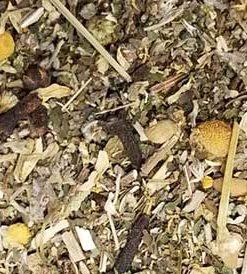
Abundance
Price range: $4.35 through $41.75
This product has multiple variants. The options may be chosen on the product page

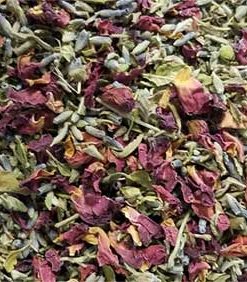
All Herbs
Price range: $3.25 through $34.05
This product has multiple variants. The options may be chosen on the product page