


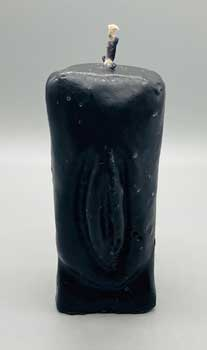
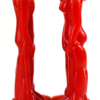
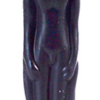
Gender figure candles, 6 1/2″
$14.25
A rootwork candle for desire · Available in 4 sizes
Moulded genital-form candles, female or male, carved with a name and worked for sex, fidelity and fertility.
Quick Uses
- Lust work: carve the person’s name, dress the candle with a lust oil and burn it while picturing them wanting you.
- Fidelity: dress with a fidelity oil and tie with the partner’s hair before burning, so their desire stays at home.
- Fertility: burn a white candle in prayer and petition for conception.
How to Use It
Hoodoo & Rootwork
- Lust work: carve the person’s name, dress the candle with a lust oil and burn it while picturing the person wanting you.
- Fidelity: dress the candle with a fidelity oil and tie it with the partner’s hair before burning, so their desire stays at home.
- Fertility: a white candle is used in prayer and petition for conception.
Demonology & Black Magick
- Sexual cursing: a black candle is carved with a name, pierced with pins or knotted with black cord, and burned to bind or kill the person’s desire.
- Revenge on a cheat: the black candle is burned upside down and its remains buried.
A Simple Working
- Choose a red candle for passion with a current partner.
- Carve both your names into the wax.
- Dress it with a few drops of lust oil.
- Roll it lightly in ground cinnamon.
- Burn it in the bedroom for a short time before you sleep together.
- Snuff it out and repeat until it is gone.
- Keep the remains in a red bag under the mattress.
Pairs Well With
- Lust oil: for dressing passion work.
- Cinnamon: a warming powder for rolling the candle.
- Black cord: for binding work with the black candle.
- A carving tool: for names and marks.
What You Receive
A 6 1/2″ genital candle. Female form in black, red or white; male form in white. Moulded candles vary slightly in size, shape and colour and may need levelling at the base to stand straight.
Origin & Lore
Genital candles are a 20th-century candle-shop form used in rootwork and folk magick, moulded to represent the sexual organs of a woman or a man. They narrow the focus of figure magick to sex: attraction, passion, faithfulness and fertility. In black they are used in the opposite direction, to cool desire, cause impotence or punish a cheat.
Where a full figure candle works on the whole person, a genital candle goes straight to their desire, their fidelity and their potency.
Sexual organs have long been used as charms. Romans hung phallic amulets called fascina on children, doorways and chariots to turn away the evil eye, and the many carved female figures known as sheela-na-gigs on medieval churches in Ireland and Britain are often read as protective, though their meaning is still argued over.
Did You Know?
The English word “fascinate” comes from the Latin “fascinum”, which meant both a spell or bewitchment and the phallic amulet used to guard against one.
| Weight | N/A |
|---|---|
| Option | Female, Black, Female, Red, Female, White, Male, White |
Related products


