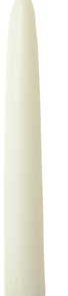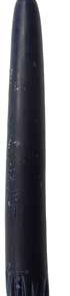
Get What You Want Ritual Candle (7″)
$6.55
Name your desire and let the flame carry it
A 7″ ritual candle that has been charged, anointed and inscribed with Theban script for workings to get what you truly desire.
Quick uses
- Wishes: burn it with a written desire beneath.
- Obstacles: clear the road toward what you want.
- Luck: add fortune to a new venture.
In stock
How to Use It
Hoodoo & Rootwork
- Wishing and desire candles stand at the heart of conjure candle work. Set it on a petition paper with your wish written three times, and turn the paper toward you as you work.
- Dress the base with a drawing oil to pull your desire inward.
Witchcraft & Folk Magick
- The Theban inscription, often called the witches’ alphabet, gives the candle a written intention already bound into the wax.
- Burn it on a waxing moon, ideally on the day that rules your wish: Friday for love, Thursday for gain, Sunday for success.
Ceremonial & Occult Magick
- Work it within a cast circle, stating your aim in the form of a statement of intent before lighting.
Demonology & Black Magick
- Practitioners burn desire candles before the sigil of a spirit they petition for aid, offering the flame as part of the exchange.
- Write the agreed terms on the petition and burn the paper in the last of the flame to seal the pact.
A Simple Working
- Write your desire clearly on a slip of paper.
- Hold the candle and speak the desire into it.
- Set the candle on the folded paper in a safe holder.
- Light it and visualise your desire already in your hands.
- Let it burn down fully, then keep the paper on your altar until the wish manifests.
Pairs Well With
- Candle holder: a stable base for the 7″ candle.
- Wish oil: to dress the base.
- Parchment paper: for the petition.
- Lodestone: to draw your desire toward you.
- Road opener incense: to clear the way.
What You Receive
One 7″ ritual candle, charged, anointed and inscribed with Theban script. Burns approximately 1″ per hour.
Origin & Lore
Inscribed candles join two old practices: candle magick, where flame releases intention, and the use of secret scripts to set words of power apart from everyday writing.
Theban became the favoured script of modern witchcraft for exactly this purpose.
Did You Know?
The Theban alphabet first appeared in print in Johannes Trithemius’s Polygraphia of 1518, where it was attributed to Honorius of Thebes.
| Weight | 0.25 lbs |
|---|
Related products