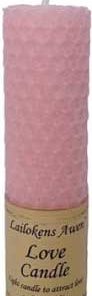
Glamour ritual candle
$6.55
A ritual candle for glamour magick
A 7 inch ritual candle inscribed with Theban script, burned to make your inner beauty and presence shine out to others.
Quick Uses
- Mirror: set it beside a mirror and gaze at yourself in its light, naming what you want others to see.
- Before events: burn it while dressing for a date, an audition or an interview.
- Charging: lay a lipstick, perfume or ring before the candle overnight and wear it the next day.
- Venus: begin on a Friday in the hour of Venus for beauty, grace and charm.
How to Use It
Witchcraft & Folk Magick
- Mirror glamour: set the candle beside a mirror and look at yourself in its light for a few minutes, naming what you want others to see.
- Before an event: burn it while dressing and doing make-up for a date, an audition or an interview.
- Charging make-up or jewellery: lay a lipstick, perfume or ring in front of the candle overnight and wear it the next day.
Ceremonial & Occult Magick
- Venus work: begin on a Friday in the hour of Venus for beauty, grace and charm.
- Fairy lore: some practitioners leave a small offering of milk or honey for the fair folk when they light it, in keeping with the folklore the word comes from.
A Simple Working
- On a Friday evening, set the candle in front of a mirror.
- Lay a lipstick, perfume or piece of jewellery you plan to wear in front of it.
- Light the candle and look at your reflection in its light.
- Say three times: “As I see myself now, so let others see me.”
- Let it burn for an hour, then snuff it.
- Wear the charged item the next time you want to be noticed, and relight the candle before each occasion until it is spent.
Pairs Well With
- Glamour oil: to dress yourself before going out.
- A hand mirror: for mirror glamour work.
- Rose quartz: a stone of beauty and soft attraction.
- Rose water: to mist your face before the working.
What You Receive
One 7-inch ritual candle for glamour work, anointed and inscribed with Theban script. Burns approximately 1 inch per hour.
Origin & Lore
Glamour, in its old sense, is enchantment of the eye: a spell that changes how someone or something is seen. Modern witches use the word for workings that heighten attraction, confidence and presence, so that the people you meet see you at your best. This candle is charged, anointed and inscribed in the Theban alphabet for that work.
In Scottish ballads, a fairy could cast a glamour over a mortal’s eyes so that a cave looked like a palace and a hag like a queen.
“Glamour” is a Scots form of “grammar”, which once meant book-learning of any kind and, by extension, occult learning, the same root that gave “gramarye” for magick. Fairy glamour, a charm that makes the false look real, runs all through Scottish and Irish folklore.
Did You Know?
Sir Walter Scott brought “glamour” into wide English use, writing it into The Lay of the Last Minstrel (1805) in its old sense of a spell cast on the eyes.
| Weight | 0.25 lbs |
|---|
Related products