




When it was first described in eighteenth-century Barbados, the grapefruit went by a more tempting name: the forbidden fruit.
Origin & Traditional Use
Grapefruit is a chance hybrid of pomelo and sweet orange that arose in Barbados in the 1700s. Its peel has been candied, cooked into marmalade and used to scent rooms and linen.
Uses by Tradition
Witchcraft & Folk Magick
- Cleansing: added to a floor wash or a simmer pot with other citrus to clear a heavy or stale atmosphere.
- Lifting: burned in a loose incense blend after a cleansing to bring brightness back into a room.
Grapefruit is a young fruit and these uses are modern, drawn from the wider use of citrus in cleansing; it has no older folklore of its own.
A Simple Working
- Fill a small pot with water and add a handful of grapefruit peel.
- Add a sprig of rosemary and a bay leaf.
- Bring it to a low simmer and open a window in each room.
- Carry the steaming pot room to room, moving toward the front door.
- Say plainly what you are clearing out.
- Pour the cooled water out at the front step.
Pairs Well With
- Lemon peel for a sharper citrus cleanse.
- Rosemary for cleansing and protection.
- Bay leaf to seal the work.
- Epsom salt for a cleansing bath.
Lore & History
The name forbidden fruit tied the new citrus to the fruit of Eden. Grapefruit reached Florida in the early nineteenth century, and the state went on to become one of the world’s great grapefruit growers.
What You Receive
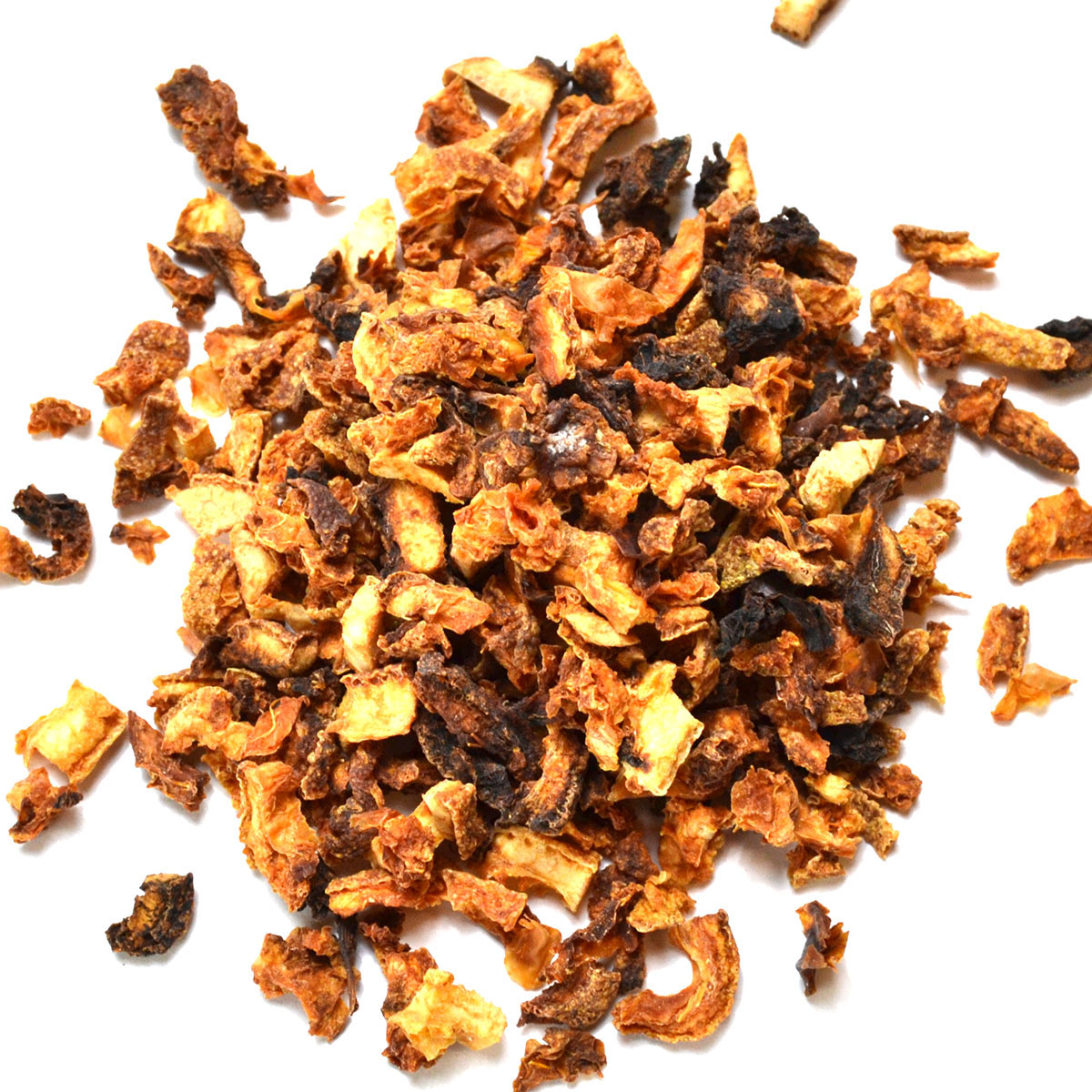
Cut dried grapefruit peel, available in 1 oz, 2 oz and 1 lb.
Did You Know?
The name grapefruit is usually explained by the way the fruit hangs in clusters on the tree, like bunches of grapes.
| Weight | N/A |
|---|---|
| Size | 1 oz, 2 oz, 1 lb |
Related products


Granular - Resins

All Herbs
