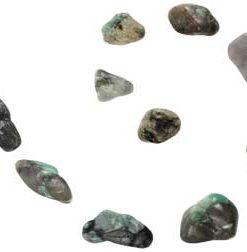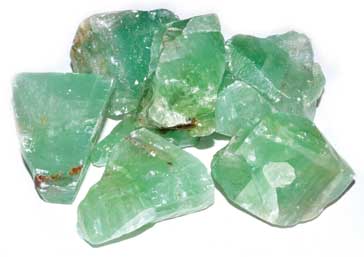
Green Calcite Rough Stones (1 lb)
$16.45
Soft Green For Slow Growth
Raw green calcite, a soft Venus and Earth stone worked into prosperity candles, garden charms and spells for steady, patient increase.
Quick Uses
- Candle Ring: Circle a burning green candle with pieces to back a money petition.
- Wallet Stone: Slip a small piece into your wallet to keep money in mind.
- Plant Charm: Push a piece into the soil of a houseplant you tend as a living prosperity charm.
- Calm Corner: Set a dish of stones in the room where the household gathers.
How to Use It
Witchcraft & Folk Magick
- Grow a money charm: plant a basil seedling with a piece of green calcite in the pot and name it for your income.
- Set a bowl of pieces on the kitchen table to keep the home steady after hard words.
Hoodoo & Rootwork
- Put a piece in a saucer under a green seven-day candle dressed with a money oil and keep the candle lit until it finishes.
- Add a small piece to a store or shop mojo with cinnamon and alfalfa to draw regular custom.
Ceremonial & Occult Magick
- Place pieces on a Venus talisman drawn on a Friday, in the day and hour of Venus.
- Use a piece as a weight on an Earth quarter of the altar.
Demonology & Black Magick
- Lay pieces on the sigil of a spirit petitioned for wealth as part of the offering.
- Keep a stone on the altar beside a money pact petition as the token of what was asked for.
A Simple Working
- Dress a green chime candle with a little olive oil and a pinch of cinnamon.
- Set it in a holder and place five pieces of green calcite around it.
- Write the amount or outcome you need on a slip of paper and lay it under the holder.
- Light the candle and read the petition aloud three times.
- Let it burn down completely.
- Fold the petition around one stone and keep it with your bills or bank papers.
Pairs Well With
- Green Aventurine: the gambler’s stone for luck alongside steady growth.
- Citrine: adds sunny drive to money work.
- Green Chime Candles: for the candle ring working.
- Cinnamon: a classic money spice for dressing candles.
What You Receive
1 lb of untumbled green calcite, sold by approximate weight rather than by stone size or count. Natural stones vary in size, colour and shape. From Mexico.
Origin & Lore
Calcite is crystallised calcium carbonate, and its name comes from the Latin calx, lime, since limestone and calcite have been burned for lime since antiquity. Green calcite takes its colour from trace minerals and is a modern magickal stone with no old lapidary entry.
Clear calcite, called Iceland spar, splits a single image into two; the Danish scientist Erasmus Bartholin described this double refraction in 1669.
Did You Know?
Calcite fizzes when touched with a drop of dilute acid, a quick test mineral collectors still use to tell it from similar-looking stones.
Related products