



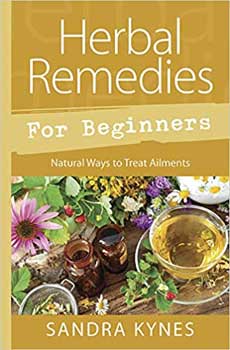

Herbal Remedies for Beginners by Sandra Kynes
$19.79
Plant Lore For The Home
A beginner’s guide to traditional folk herbalism, cross-referenced by herb and by need, with methods from teas and oils to balms and gels.
Quick Uses
- Herb Index: Look up an herb you already grow and read every way it has been used.
- Salve Making: Make one balm from the book and keep it on your altar shelf.
- Kitchen Shelf: Label your jars with the folk uses you learn as you read.
How to Use It
Witchcraft & Folk Magick
- Make your teas and oils at the full moon and charge them in moonlight before use.
- Grow two or three of the book’s herbs on a windowsill and tend them as part of your practice.
Hoodoo & Rootwork
- Blend the folk herbs you learn into spiritual baths and floor washes.
- Dress candles with infused oils you made from the book’s methods.
Demonology & Black Magick
- Prepare herbal teas and infused oils as offerings for the spirits you keep.
- Make a protective balm for anointing your wrists before spirit work.
A Simple Working
- On a Sunday morning, warm a cup of olive oil gently.
- Add a handful of dried calendula or chamomile.
- Keep it on the lowest heat for an hour, stirring clockwise.
- Say aloud what you want the oil to carry.
- Strain it into a clean jar and label it.
- Use it to dress a white candle in your next blessing rite.
Pairs Well With
- Calendula Flowers: A gentle folk herb for oils and balms.
- Chamomile: A classic tea herb for calm.
- Beeswax: For setting oils into balms.
- Amber Glass Jars: To store what you make.
What You Receive
One copy of Herbal Remedies for Beginners by Sandra Kynes. Paperback, 5.2″ x 8″, 312 pages.
Origin & Lore
The book is laid out so you can find preparations by need or by herb, and it walks you through making them in many forms, from teas and oils to balms, salves, syrups and gels. It is grounded in traditional folk herbalism for the home.
Herb lore has been passed down in households for thousands of years. Wise women and cunning folk kept gardens of useful plants, and many of those same herbs, such as basil, ginger and lemongrass, sit in kitchen cupboards today.
Did You Know?
The name basil comes from the Greek basilikon, meaning royal.
Related products


