In many countries a new home is not welcomed with gifts of decor, but with bread and salt.
Origin & Traditional Use
House Blessing belongs to the family of named formula oils used to cleanse, bless and protect a household. It is used when moving in, after a difficult time or at any point when a home needs fresh, peaceful energy. Practitioners anoint doors, windows and the hearth.
Uses by Tradition
Witchcraft & Folk Magick
- Anoint every door and window in the house with a small mark after cleaning.
- Dress a white candle and carry it through each room before setting it in the kitchen.
- Add a few drops to a bowl of water and sprinkle it in each corner.
Hoodoo & Rootwork
- Add to a floor wash after a full cleansing, scrubbing from the back of the house to the front.
- Dress a candle with Psalm 23 or Psalm 91 written beneath it.
Ceremonial & Occult Magick
- Anoint the altar and the hearth during a house consecration.
A Simple Working
- Clean the house thoroughly and open the windows.
- Sweep from the back of the house out the front door.
- Dress a white candle with House Blessing oil.
- Carry it lit through each room, saying a blessing in each.
- Anoint the main door and each window with a small dot of oil.
- Set the candle in the kitchen and let it burn out.
- Place a little bread and salt on the table as a sign that the house will not go without.
Pairs Well With
- Bread and salt, traditional housewarming gifts.
- Sea salt, for cleansing before the blessing.
- Basil, an old herb for a happy home.
- White candles for blessing.
Lore & History
House blessings are found in nearly every tradition, from priests sprinkling holy water at Epiphany to folk practitioners anointing doors. Spiritual-supply houses sold House Blessing oils, incense and floor washes as a set for families moving into new homes.
What You Receive
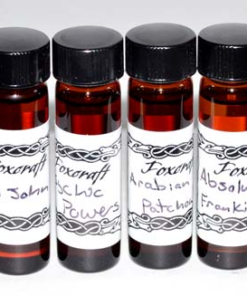
House Blessing oil, available in 2 dram, 1 oz and 16 oz bottles.
Did You Know?
In Russian and other Slavic traditions, bread and salt are offered to guests and new homeowners as a sign of welcome and plenty.
| Weight | N/A |
|---|---|
| Size | 2 dram, 1 oz, 16 oz |
Related products