Jinx Removing Sachet Powder
Price range: $5.45 through $32.95
Lift a Jinx and Clear the Way · Available in 2 sizes
A sachet powder for lifting a jinx, used when everything seems to go wrong and you suspect bad luck has been laid on you.
Quick Uses
- Shoe Sprinkle: Sprinkle a pinch in your shoes each morning for nine days to walk off a jinx.
- Bed Dusting: Dust the corners of your mattress so you sleep free of crossed conditions.
- Candle Dressing: Roll a white candle in the powder and burn it for uncrossing.
How to Use It
Witchcraft & Folk Magick
- Sprinkle a circle of powder on the floor and stand inside it while you light a white candle and speak your release.
- Dust an egg, roll it over your body from head to toe, then break it outside away from the house.
Hoodoo & Rootwork
- Sprinkle it across your doorstep, then sweep it out of the house and off the property.
- Dust a name paper, then burn it in a fireproof dish to break the jinx.
- Dress a white candle and a black candle together to lift a jinx and send it away.
Ceremonial & Occult Magick
- Dust yourself lightly before a banishing ritual to remove attached influences.
- Sprinkle the floor of your temple after a ritual to clear lingering energy.
Demonology & Black Magick
- Use it to cleanse a space after a spirit working that went badly.
- Dust yourself and your tools if you suspect another worker has turned a spirit against you.
A Simple Working
- On a Saturday, light a white chime candle.
- Sprinkle a circle of Jinx Removing powder around the candle.
- Hold your hands over the flame and name the jinx you want gone.
- Pass a raw egg over your body from head to toe.
- Let the candle burn out.
- Break the egg outside, off your property, and walk away without looking back.
Pairs Well With
- White Chime Candles: For uncrossing work.
- Hyssop: The classic herb of cleansing and spiritual washing.
- Uncrossing Oil: To dress candles worked with the powder.
- Sea Salt: For cleansing your space after the work.
What You Receive
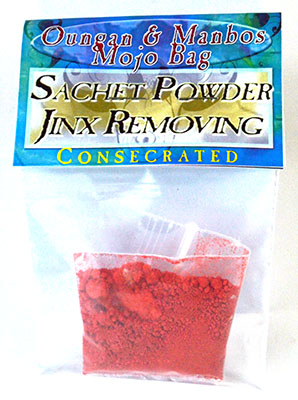
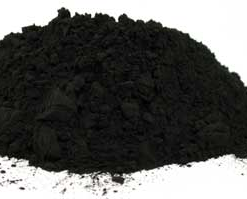
Jinx Removing sachet powder, offered in two sizes: a 1/2 oz packet or a 1 lb bulk bag. The color of the powder may vary from batch to batch.
Origin & Lore
Jinx Removing formulas were made to lift a jinx, the run of bad luck or misfortune believed to be laid by an enemy or brought on by ill fortune.
The word jinx entered American English in the early twentieth century, its origin uncertain. In hoodoo a jinx is understood as a spiritual condition that can be lifted with uncrossing baths, candles, floor washes and powders.
Did You Know?
The word jinx may come from jynx, the Latin name for the wryneck bird, which was used in ancient Greek love charms.
| Size | 1/2 oz, 1 lb |
|---|
Related products
All Herbs

All Herbs