

Juniper oil
Price range: $6.55 through $63.75
A Scottish purifier and anti-theft oil · Available in 2 sizes
Juniper oil carries the sharp, piney scent of the evergreen once burned to purify Scottish homes, used for protection, cleansing, exorcism and guarding against theft.
Quick Uses
- Purification: add drops to a bowl of hot water or a diffuser to cleanse a house at New Year or after trouble.
- Anti-theft: anoint door frames, windows and locks, or a juniper sprig hung by the door.
- Exorcism: dress a white or black candle and burn it to clear an unwelcome presence.
- Banishing: anoint the temple and yourself before banishing rites.
How to Use It
Witchcraft & Folk Magick
- Purification: add drops to a bowl of hot water or diffuser to cleanse a house at New Year or after trouble.
- Protection and anti-theft: anoint the door frames, windows and locks, or a juniper sprig hung by the door.
- Exorcism: dress a white or black candle with the oil and burn it to clear an unwelcome presence.
Ceremonial & Occult Magick
- Banishing: the oil is used to anoint the temple and the practitioner before banishing rites.
- Solar purification: juniper is given to the Sun and Fire in modern correspondence tables, used in solar and purifying incense.
A Simple Working
- On New Year’s Day or after a disturbance, open all the windows.
- Fill a heatproof bowl with hot water and add five drops of juniper oil and a pinch of sea salt.
- Carry the bowl through every room, starting at the back of the house.
- In each room say, “Out with what does not belong here.”
- Close the windows and anoint the front door frame with a drop of oil.
- Pour the water out the front door and away from the house.
Pairs Well With
- Juniper berries: for incense and protection sachets.
- Sea salt: for cleansing water.
- A white chime candle: to seal a cleansing.
- Rosemary: adds strength to protection work.
What You Receive
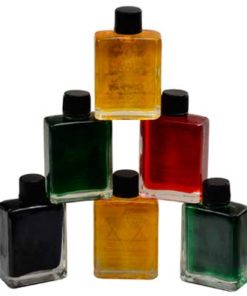
Juniper oil, a scented anointing oil, available in 2 dram and 16 oz.
Origin & Lore
Common juniper (Juniperus communis) is a hardy evergreen of the Northern Hemisphere. Its berries flavour gin and game dishes, and its wood and branches were burned to scent and cleanse homes and animal stalls.
On New Year’s morning in the Scottish Highlands, households burned juniper until the house filled with choking smoke, then threw open the doors to let the old year’s ills out.
The Highland ritual of saining, recorded by folklorists such as F. Marian McNeill in The Silver Bough, used juniper smoke and water from a “dead and living” ford to protect house and livestock at the New Year. In the King James Bible, Elijah rests under a “juniper tree” in the wilderness, though modern translations usually call it a broom bush.
Did You Know?
Juniper “berries” are not true berries: they are cones whose scales have grown fleshy and fused together.
| Weight | N/A |
|---|---|
| Size | 2 dram, 16 oz |
Related products