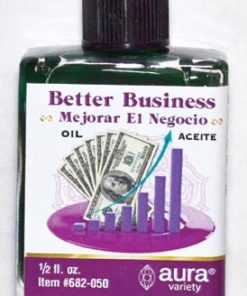

Kyphi oil
Price range: $3.25 through $80.25
The evening incense of Egypt · Available in 3 sizes
An anointing oil named for kyphi, the sacred evening incense of the Egyptian temples, used for dreamwork, devotion and consecration.
Quick Uses
- Devotion: anoint the brow and altar candle before evening prayer to Ra, Isis, Osiris or other Egyptian gods.
- Consecration: dress statues, amulets and altar tools used in Egyptian-style ritual.
- Dreamwork: anoint the temples and the pillow before sleep for prophetic or vivid dreams.
- Evening ritual: anoint a candle at sunset to mark the turn from day to night.
How to Use It
Ceremonial & Occult Magick
- Egyptian devotion: anoint the brow and the altar candle before evening prayer to Ra, Isis, Osiris or other Egyptian gods.
- Consecration: dress statues, amulets and altar tools used in Egyptian-style ritual.
Witchcraft & Folk Magick
- Dreamwork: anoint the temples and the pillow before sleep when looking for prophetic or vivid dreams.
- Evening ritual: anoint a candle at sunset to mark the turn from day to night.
A Simple Working
- At sunset, light a white candle anointed with Kyphi oil.
- Burn a little myrrh resin on charcoal beside it.
- Sit quietly and review your day from beginning to end.
- Anoint your temples and your pillow with the oil.
- Ask for a clear dream on one question as you lie down.
- On waking, write the dream down before you rise.
Pairs Well With
- Myrrh resin: an Egyptian temple resin often used in kyphi.
- Charcoal tablets: for burning resin alongside the oil.
- Isis oil: for evening devotion to Isis.
- Mugwort: for a dream pillow.
What You Receive
Kyphi oil, available in 2 dram, 1 oz and 16 oz sizes.
Origin & Lore
Kyphi was a compound temple incense of ancient Egypt, made from resins, wine, honey, raisins and aromatic plants and burned at the end of the day. Recipes survive in Greek writers and in hieroglyphic inscriptions in Egyptian temples. Kyphi oil is a modern scented oil made in its memory, used where the incense itself is too slow or smoky to prepare.
Egyptian priests burned one incense at dawn, another at noon, and kyphi at nightfall. Plutarch says its scent lulled people to sleep and brightened their dreams.
Plutarch, in On Isis and Osiris, says the Egyptians burned resin in the morning, myrrh at midday and kyphi in the evening. A recipe for kyphi is inscribed on the walls of a small room known as the laboratory at the temple of Horus at Edfu. Dioscorides and Galen also recorded versions. Modern kyphi oils are scented blends, not reconstructions of a temple recipe.
Did You Know?
Plutarch records that kyphi was made from sixteen ingredients.
| Weight | N/A |
|---|---|
| Size | 2 dram, 1 oz, 16 oz |
Related products